That Balloon Release May Look Beautiful, but Experts Say It Is Deadly
The Alabama Cooperative Extension System says balloons pose a growing threat to sea turtles, seabirds, and other wildlife along Gulf Coast beaches.
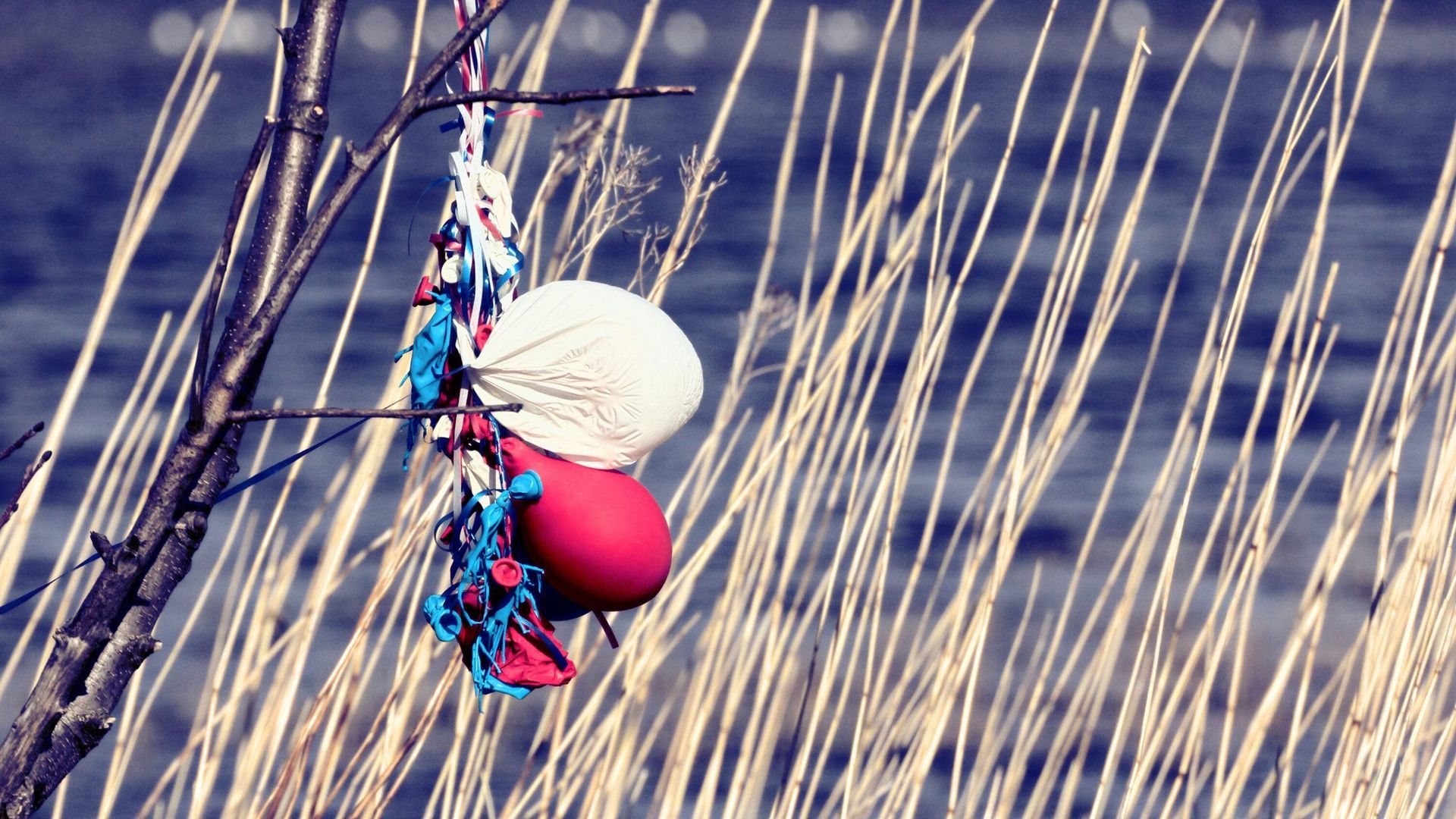
Orange Beach, Ala. — (OBA) — Watching a cluster of balloons drift over the Gulf may feel like a fitting tribute or a joyful celebration, but researchers say the practice causes lasting harm to wildlife and the environment. The Alabama Cooperative Extension System published a report, warning that every balloon released eventually lands somewhere — often in the Gulf — where it can kill animals. The Extension, a joint program of Alabama A&M University and Auburn University, outlined the dangers in detail and urged the public to consider alternatives. For coastal communities like Gulf Shores and Orange Beach, the issue hits especially close to home.
According to the Alabama Cooperative Extension System's June 5, 2026, report, written by Lexi Adkison and Kerry Steedley, the problem begins the moment a balloon leaves someone's hand and ends when it lands on the ground as litter.
Sea turtles are among the most at risk. The animals often mistake deflated balloons for jellyfish, one of their natural food sources. Once swallowed, the soft rubber can block their digestive systems, leading to starvation or death, according to the Extension report.
Seabirds face similar dangers. Even small fragments of balloon material can cause fatal internal blockages, and researchers note that soft plastics, such as balloons, are more deadly to seabirds than harder plastic items.
The strings and ribbons attached to balloons pose a separate set of problems. Dolphins, whales, seals, seabirds, and even land animals can become entangled in the material. Entanglement can cut off circulation, restrict movement, and lead to a slow death, according to the Extension report.
The damage does not stop with individual animals. When predators eat prey that has already ingested balloon pieces, plastic moves through the food chain. The Extension warns that this can harm reproduction and survival rates across entire wildlife populations.
Mylar balloons — the shiny foil variety common at birthday parties and memorials — pose an additional risk to people. According to the Extension, hundreds of power outages occur each year across the country when Mylar balloons drift into electrical lines, causing fires and service disruptions.
Some balloon makers advertise their products as biodegradable, but the Extension report challenges that claim. Natural latex balloons can take years to break down, especially in ocean water, where sunlight and oxygen are limited. As they degrade, they shed microplastics that have been detected in marine life, farm animals, and even in human food and water supplies.
Currently, the City of Orange Beach does not have an ordinance banning the release of helium balloons on public beaches, though the city's website notes that balloons "end up as debris and oftentimes are detrimental to our wildlife and sea life." Gulf Shores prohibits sky lanterns on its beaches but does not specifically list balloon releases as banned. Miami Beach is among the cities nationwide that have gone further, explicitly banning balloons on its beaches.
The Extension recommends several alternatives for marking a special moment without the environmental toll. Options include blowing bubbles, planting trees or wildflowers, flying kites, using paper streamers, or organizing a community service project. No-mess confetti poppers are also available and provide a similar visual effect without litter.
"Small changes in tradition can help protect wildlife, reduce pollution, and preserve the beauty and health of our planet for generations to come," the Extension report concludes.
Share this article w/ Friends...