Alabama Gulf Coast Zoo Welcomes Critically Endangered Red Wolves
Fewer than 20 red wolves remain in the wild as zoos step up to help.
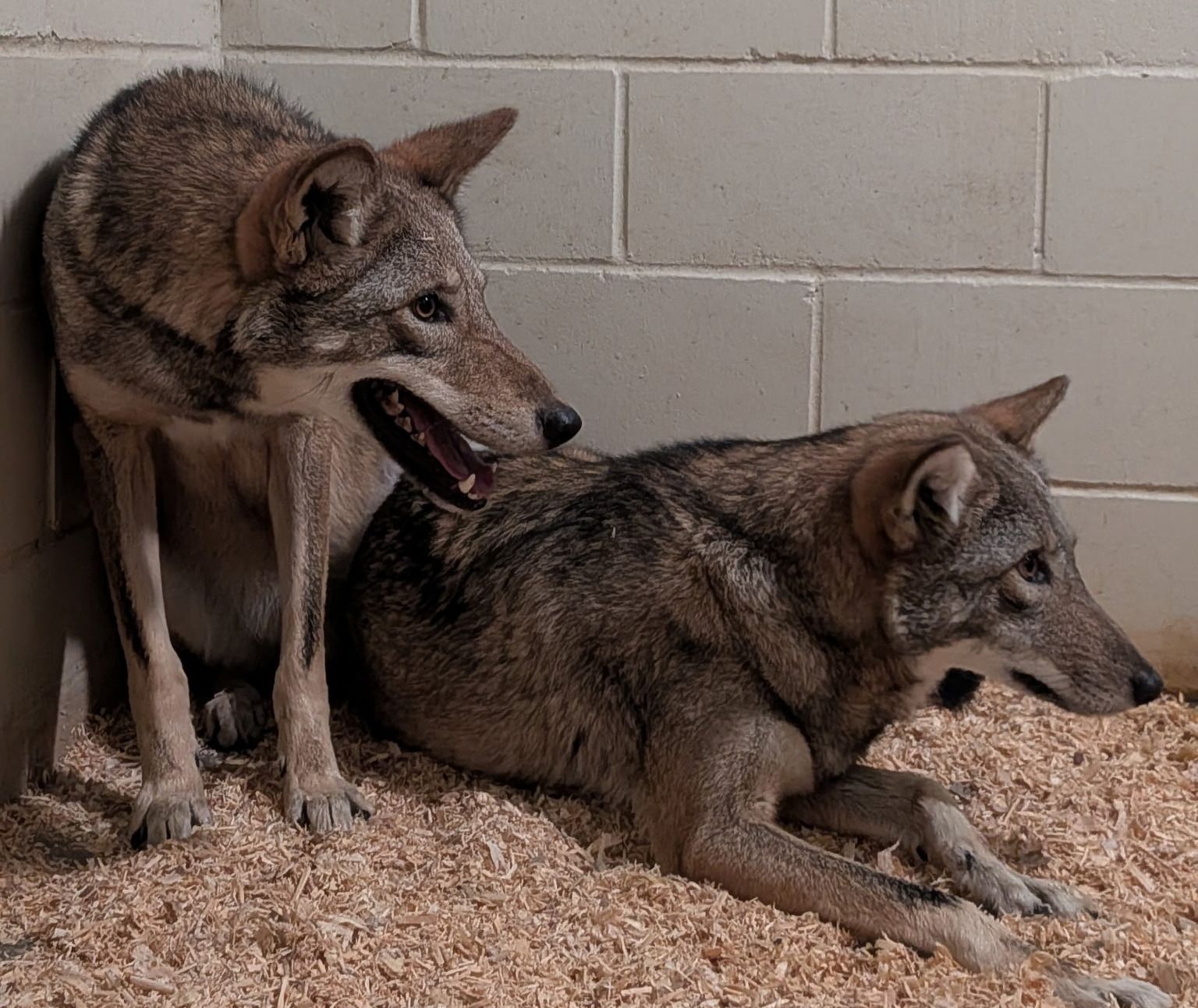
Gulf Shores, Ala. — (OBA) — Visitors to the Alabama Gulf Coast Zoo will soon meet two rare new residents. The Gulf Shores Zoo has welcomed a pair of critically endangered American red wolves to their habitat. The brothers are named Jenkins and Walker. Both wolves are approximately two and a half years old.
The announcement was made today, December 17. Zoo leaders say the arrival of Jenkins and Walker marks an important step in efforts to save the species. Staff members have been preparing for months to receive the wolves.
The Alabama Gulf Coast Zoo is a partner in the AZA SAFE Saving Animals From Extinction American Red Wolf Program. Through this program, the zoo joins other accredited facilities. Together they work to preserve one of the world’s rarest canine species.
Fewer than 20 American red wolves are believed to remain in the wild. To prevent their extinction, the U.S. Fish and Wildlife Service created a captive breeding program in 1973. Today just over 200 red wolves live under human care nationwide.
The SAFE American Red Wolf Program continues this work by researching the species and managing breeding pairs. The goal is to build a healthy population. Some wolves may later be released back into their native habitats when conditions are right.
In the wild, red wolves help keep ecosystems balanced. They control populations of deer, raccoons, rodents, and other animals. By reducing overgrazing and disease, they support healthier forests and wetlands. Protecting red wolves can protect the entire ecosystem of an area.
Joel Hamilton, the zoo’s executive director, said, “The Alabama Gulf Coast Zoo is excited to play a contributing role in the conservation of the critically endangered red wolf.” Hamilton added, “This exhibit will be different than our others. Guests may not see these wolves as often as other animals.” He explained, “This species is naturally timid, and it is important that we limit human interaction to allow the wolves to remain as wild as possible.”
At the Alabama Gulf Coast Zoo, Jenkins and Walker live in a habitat built to mimic their natural environment. The animal care team follows special feeding and care protocols that limit human contact as much as possible.
By keeping the wolves wary of people, staff increase their chances of thriving if they are later paired for breeding or released into the wild. For more information visit the
Alabama Gulf Coast Zoo’s website.
Share this article w/ Friends...