New Grants Boost Coastal Habitat Work On Alabama’s Gulf Coast
Federal And State Agencies Partner To Improve Habitats And Local Coastal Resilience
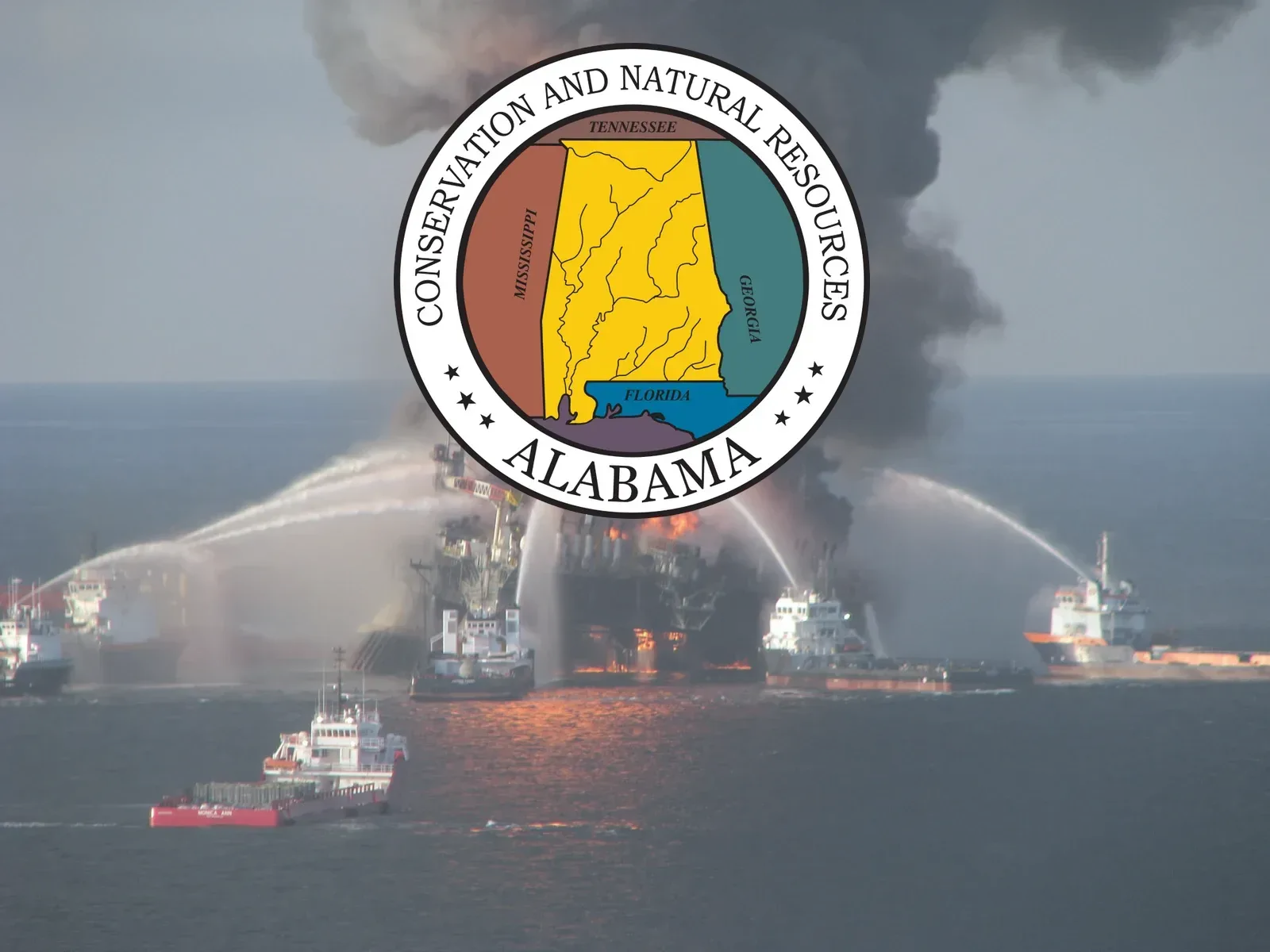
Orange Beach, Ala. — (OBA) — Alabama’s Gulf Coast is set to receive another round of restoration work after a new funding award came from a national conservation group. State and federal partners say the projects will protect important habitats and improve water quality along the Alabama Gulf Coast. The work focuses on Little Dauphin Island and an area known as Salt Aire on the western shore of Mobile Bay. Officials describe the efforts as part of a long-term response to the Deepwater Horizon oil spill.
On December 16, 2025, the National Fish and Wildlife Foundation announced more than $13 million in obligations from its Gulf Environmental Benefit Fund for Alabama. The money covers one new project and an amendment to an existing project. These efforts were developed in consultation with the Alabama Department of Conservation and Natural Resources, the U.S. Fish and Wildlife Service, and the National Oceanic and Atmospheric Administration. The goal is to remedy past harm and reduce the risk of future harm to natural resources damaged by the 2010 Deepwater Horizon disaster.
Related Article: RESTORE Council Unveils New Slate of Gulf Restoration Projects
The first project will restore the rapidly eroding shoreline of Little Dauphin Island. That work is expected to protect about 850 acres of conservation land in the Little Dauphin Island Unit of the Bon Secour National Wildlife Refuge. Restoration efforts there are also designed to improve water quality in Dauphin Island Bay. Conservation leaders say stabilizing the shoreline will help safeguard marshes, wildlife habitat, and nearby waters.
The second effort is an amendment to an existing project at Salt Aire on the western shore of Mobile Bay. The change will allow additional breakwaters to be built along the coast. It will also support the restoration of up to 30 acres of marsh habitat in the area. Officials note that marshes help filter water, provide nursery grounds for fish, and buffer nearby lands from storms and waves.
Jeff Trandahl, executive director and CEO of the National Fish and Wildlife Foundation, said the Alabama award continues important work along the Gulf. “Today’s announcement represents the continuation of significant GEBF investments to benefit natural resources affected by the Deepwater Horizon oil spill in the state of Alabama,” Trandahl said. He added that the projects “not only restore and conserve vital habitats but also strengthen local economies and support livelihoods that depend on healthy ecosystems.”
Trandahl also praised the ongoing coordination among agencies and partners. He said the foundation “appreciates the continued collaboration of the Alabama Department of Conservation and Natural Resources, federal resource agency partners and implementing partners in advancing significant conservation and restoration projects that benefit natural resources in the state of Alabama.” The Gulf Environmental Benefit Fund was created to direct money from legal settlements related to the oil spill into long-term environmental restoration.
Alabama Conservation Commissioner Chris Blankenship said the new funding will help protect key coastal areas. “I am excited for the funding for these two projects in Coastal Alabama,” Blankenship said in a statement. He called the restoration of Little Dauphin Island “critical for the protection of Dauphin Island Bay and the adjoining marshes and bird habitat.” Blankenship also noted that “the additional work at Salt Aire builds on previous investments in this beautiful, undeveloped area on Mobile Bay’s Western Shore.”
According to project planners, ideas for Gulf Environmental Benefit Fund support go through extensive review before they move forward. The Alabama Department of Conservation and Natural Resources works closely with the U.S. Fish and Wildlife Service and the National Oceanic and Atmospheric Administration to shape proposals. That process is meant to ensure the projects address the most urgent environmental needs and align with long-term restoration plans for the Gulf Coast.
The National Fish and Wildlife Foundation was chartered by Congress in 1984 and has grown into what it describes as the nation’s largest conservation foundation. Since its founding, the organization has funded more than 23,300 projects across the country. Those efforts have generated a total conservation impact of $11.3 billion. Foundation leaders say the new Alabama projects are part of a broader mission to support conservation solutions where both people and nature can thrive.
Share this article w/ Friends...