National Zoo Lovers Day Puts the Spotlight on a Gulf Coast Gem
Alabama Gulf Coast Zoo has a story unlike any other
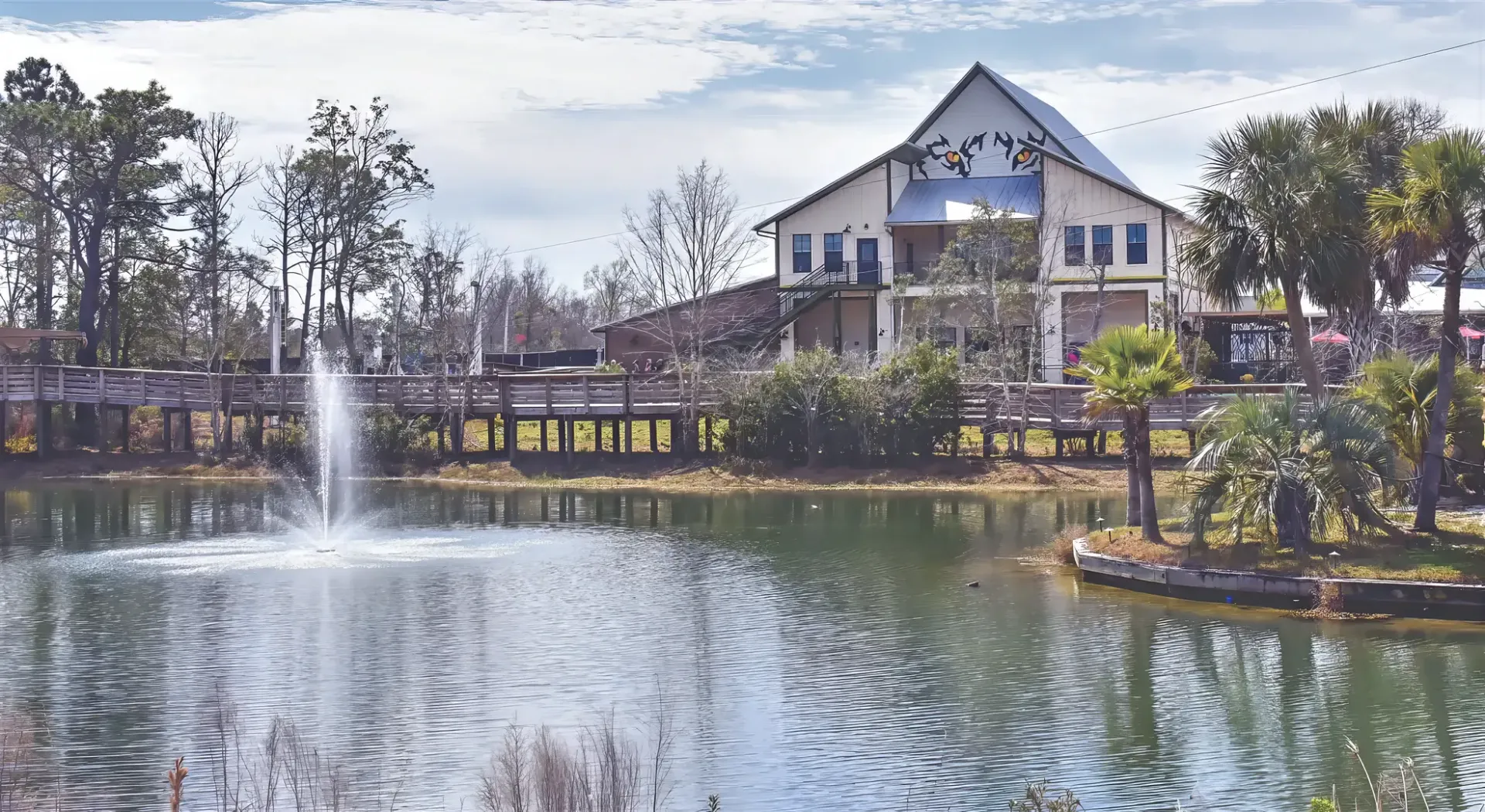
Gulf Shores, Ala. — (OBA) — National Zoo Lovers Day provides people across the country with a reason to visit and support their local zoos. The holiday highlights conservation, education, and the animals that zoos care for every day. Millions of Americans visit zoos each year. For those along the Alabama Gulf Coast, one zoo stands out—not just for its animals, but for what it has endured to survive.
The observance takes place annually on April 8. The origins of the day are not completely known.
National Day Calendar, a popular source for tracking such holidays, states that it is still investigating who first established the observance. What is certain is that the day encourages people to support local zoos and their conservation efforts.
The
Alabama Gulf Coast Zoo is renowned for its September 2004 evacuation prompted by Hurricane Ivan, a formidable Category 3 storm heading straight for Gulf Shores, which resulted in a mandatory evacuation. Zoo Director Patti Hall faced a unique challenge for a U.S. zoo director: coordinating the care and safety of hundreds of animals during the storm.
Hall and her staff spent 36 hours packing up over 265 animals and moving them 20 miles inland to her home. No U.S. zoo had ever been fully evacuated before a natural disaster. When Ivan made landfall on September 16, 2004, the zoo was submerged under 14 feet of water. Remarkably, not a single animal was lost during the move.
The story quickly spread across the country. ABC World News anchor Peter Jennings named Hall his "Person of the Week" in the days following the evacuation. A Los Angeles TV producer named Julie Leifermann happened to see the segment and took note of the story. That moment set the zoo on a path it never expected.
Within months, Leifermann had created a 13-episode documentary series for Animal Planet. "The Little Zoo That Could" premiered on primetime TV on Feb. 15, 2006. The series followed Hall, her zookeepers, and about 300 animals as they worked to rebuild and reopen the zoo. Donations flooded in from viewers across the country.
The zoo reopened just 14 months after being entirely destroyed. That recovery drew national attention and helped restore tourism to Gulf Shores and nearby communities, which were still healing from the 2004 storms. The event remains a key part of the zoo's identity today.
The story did not stop there. In 2007, Gulf Shores residents Clyde Weir and his daughter Andrea donated 25 acres of land four miles from the island to provide the zoo with a safer, permanent home. Construction at the new site eventually progressed, and the zoo moved to 20499 Oak Road East in Gulf Shores.
The Alabama Gulf Coast Zoo is now a nonprofit 501(c)(3) organization and is accredited by the Zoological Association of America. It is open daily from 9 a.m. to 4 p.m. Tickets cost $23.95 for adults, $20.95 for seniors aged 62 and older, and $15.95 for children ages 3 to 12. Children 2 and under enter free.
Visitors can feed giraffes, interact with lemurs through the Destination Madagascar experience, and participate in daily keeper chats covering topics from big cats to birds. The zoo also offers summer camps and hosts weddings, birthday parties, and private events on its grounds.
No zoo in the country has the history of the
Alabama Gulf Coast Zoo, and its story — shared with a national audience through a documentary — continues to attract visitors to Gulf Shores more than 20 years later.
Share this article w/ Friends...