Labor Day: More Than a Long Weekend
Parades, cookouts, and football now define a holiday born from labor unrest and political compromise
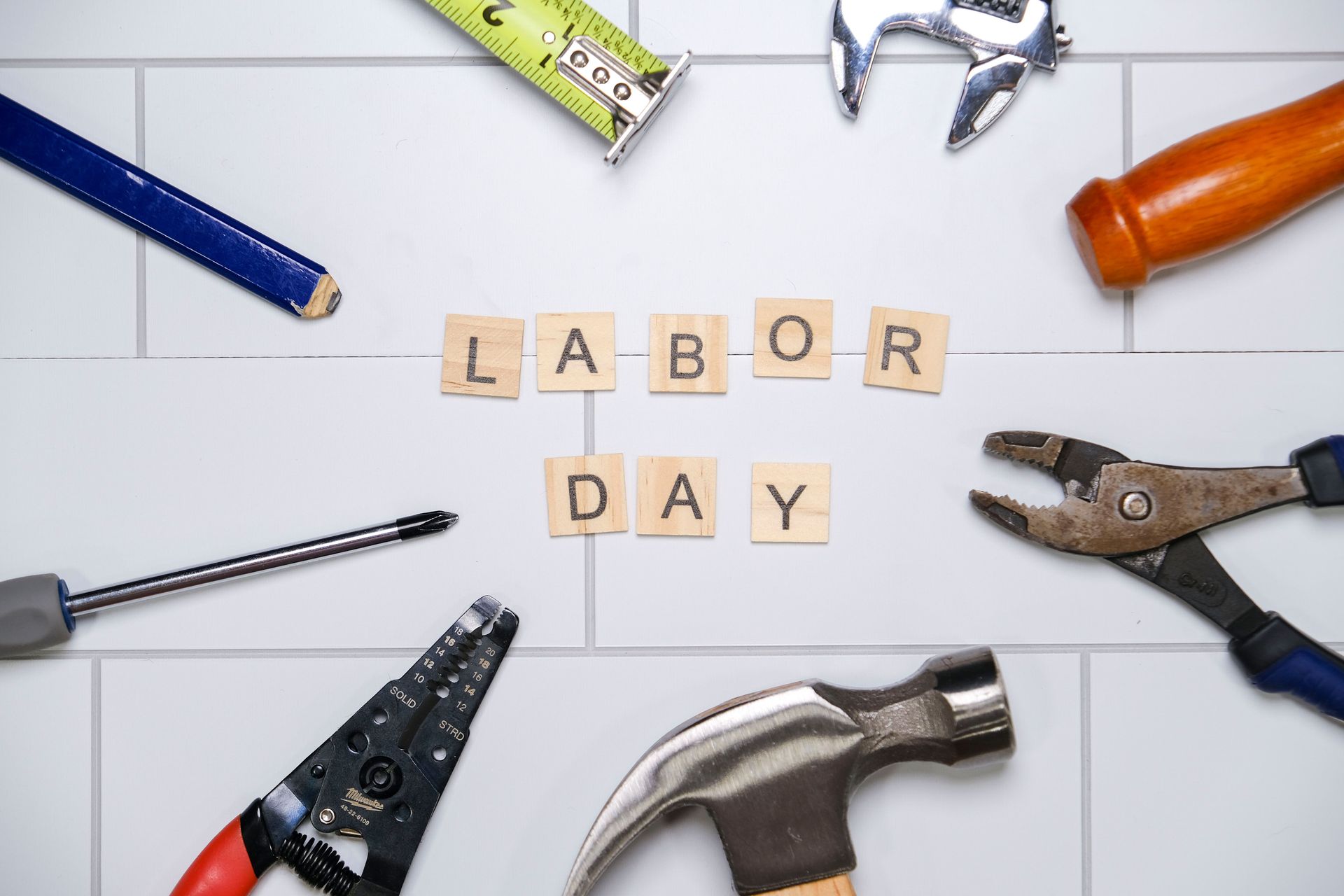
Orange Beach, Ala. — (OBA) — Labor Day has been part of American life for more than a century, and it means different things to different people. For some, it's a cookout, a trip to the beach, or a day off work. For others, it's a moment to reflect on the workers who built this country. The holiday carries a history that most people don't learn until they look it up.
This year, Labor Day falls on Monday, September 7, 2026. It is observed every year on the first Monday of September, giving millions of Americans a three-day weekend to close out the summer.
The holiday traces its origins to the labor movement of the late 1800s. At that time, workers labored 12-hour days, seven days a week, often in unsafe conditions. Children as young as five or six worked in factories and mines for little pay.
On September 5, 1882, about 10,000 workers marched through New York City, marking the first Labor Day parade. They took unpaid time off to participate. The march featured speeches, picnics, and fireworks, according to the
U.S. Department of Labor.
Two men are credited with proposing the holiday, though historians still debate who deserves the title. Matthew Maguire, a machinist and secretary of the Central Labor Union in New York, is one candidate. Peter J. McGuire, co-founder of the American Federation of Labor, is the other.
The holiday gained momentum quickly. Oregon became the first state to make it official in 1887. By 1894, 23 more states had followed, according to
History.com. That same year, Congress passed a law, and President Grover Cleveland signed it on June 28, 1894.
The Pullman Strike of 1894 helped prompt Congress to act. Workers at the Pullman Palace Car Company walked off the job to protest wage cuts. Federal troops were called in, and more than a dozen workers died during the unrest.
Today, the labor movement is less visible on Labor Day than it once was. Parades and union marches still take place, but they draw smaller crowds. Barbecues and beach trips have taken center stage for many families.
College football kicks off in earnest around Labor Day weekend, and the NFL season typically begins on the Thursday after the holiday. The U.S. Open tennis tournament runs through Labor Day weekend at Flushing Meadows, New York.
Some older fashion traditions are tied to the holiday as well. For years, Labor Day was considered the last day it was acceptable to wear white clothing until the following spring. That rule has faded, but it still comes up every September.
Whether it's spent at a parade, on a beach, or in a backyard, Labor Day offers a pause before fall begins. Schools ramp up, football starts, and the summer heat — at least in spirit — begins to wind down. The holiday's roots, though, trace back to workers who wanted nothing more than fair pay and a safe workplace.
Share this article w/ Friends...