Gulf Shores Warns Business Owners About Sophisticated New Email Scam
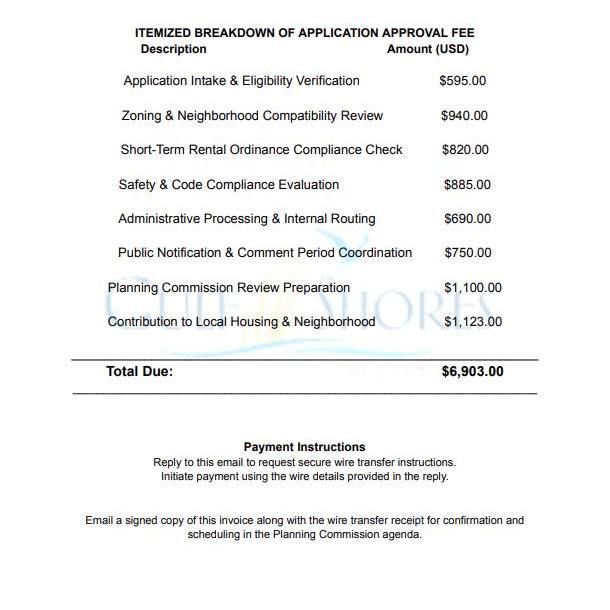
Authorities confirm that a local business was recently targeted by a fraudulent invoice for nearly $7,000.
Gulf Shores, Ala. — (OBA) — The City of Gulf Shores is once again warning the community about a series of fraudulent emails targeting local businesses. Officials recently confirmed that a nearby business was deceived by a highly sophisticated scam involving counterfeit municipal invoices. This recent event has led to renewed efforts to increase public awareness across the Alabama Gulf Coast. Local leaders are advising everyone to carefully verify any financial requests claiming to come from the city.
This wave of criminal activity first attracted significant attention in September 2025. Since then, scammers have refined their tactics to make their messages seem highly authentic. They often use real names of city employees and accurate office addresses to deceive unsuspecting victims. The fraudulent emails are crafted to create a sense of urgency for the recipient.
Related Article: Orange Beach Police Warn Public of Seafood Festival Scam
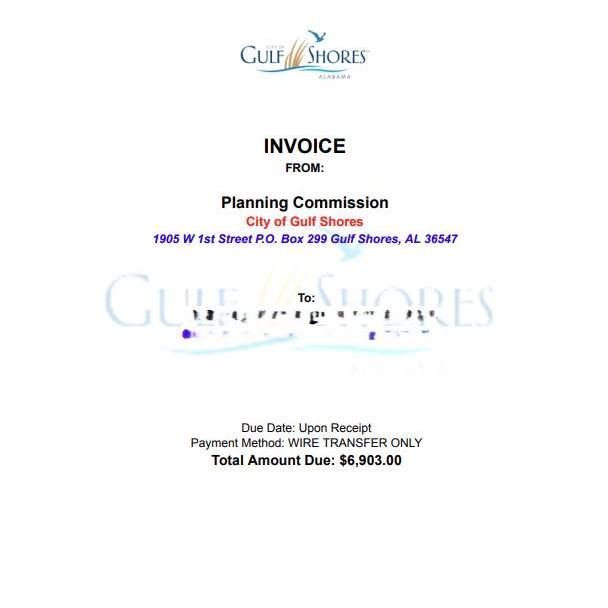
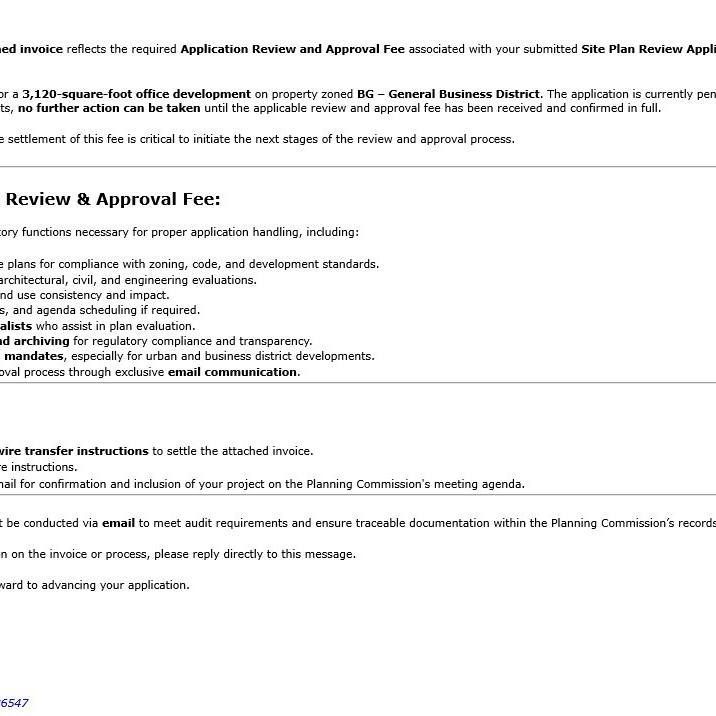
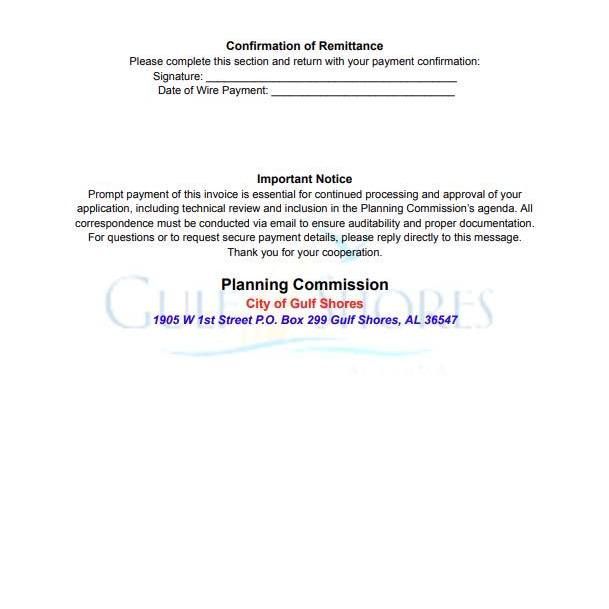
One recent case involved a fraudulent invoice for $6,903. The scammers claimed this was an approval fee for a specific site plan review application. The document even included a detailed list of fictitious charges, such as administrative processing and internal routing. These details are intended to make the request appear to be a standard government procedure.
City officials want to make one thing obvious to the entire community. The City of Gulf Shores will never ask for payment through email wire transfers for any of its services. This is a clear warning sign that residents and business owners should notice right away. Government agencies usually use official, secure portals or traditional mail for billing and collections.
If you receive an email asking for payment, do not send any money. Also, avoid clicking on any links or downloading attachments in the message. These links can often lead to websites that steal your personal information or infect your computer. It's safer to verify the request through a trusted secondary channel.
Instead of replying to the email, contact the Financial Services Department directly. Concerned citizens can call 251-968-2425 to verify if a bill is legitimate. Taking this small step can prevent losing thousands of dollars. The city urges everyone to help spread this message to their neighbors and fellow business owners.
The scammers are currently using department names, such as the Planning Commission, to add a layer of false authority. They often use the city's official logo and colors to deepen the deception. These tactics show that the criminals are doing their homework on how the local government operates. Being aware of these details is the best defense against falling for the trick.
Public safety and financial security continue to be top priorities for local law enforcement and city leaders. They are working to identify the source of these emails, but digital scams can be hard to track. Community vigilance is the most effective tool to stop these criminals. Always trust your instincts if a payment request seems suspicious or unusual.
Share this article w/ Friends...