Eco-Tourism Shapes the Future of the Gulf Coast
Maritime forests and trail habitats are drawing attention as tourism continues to expand.
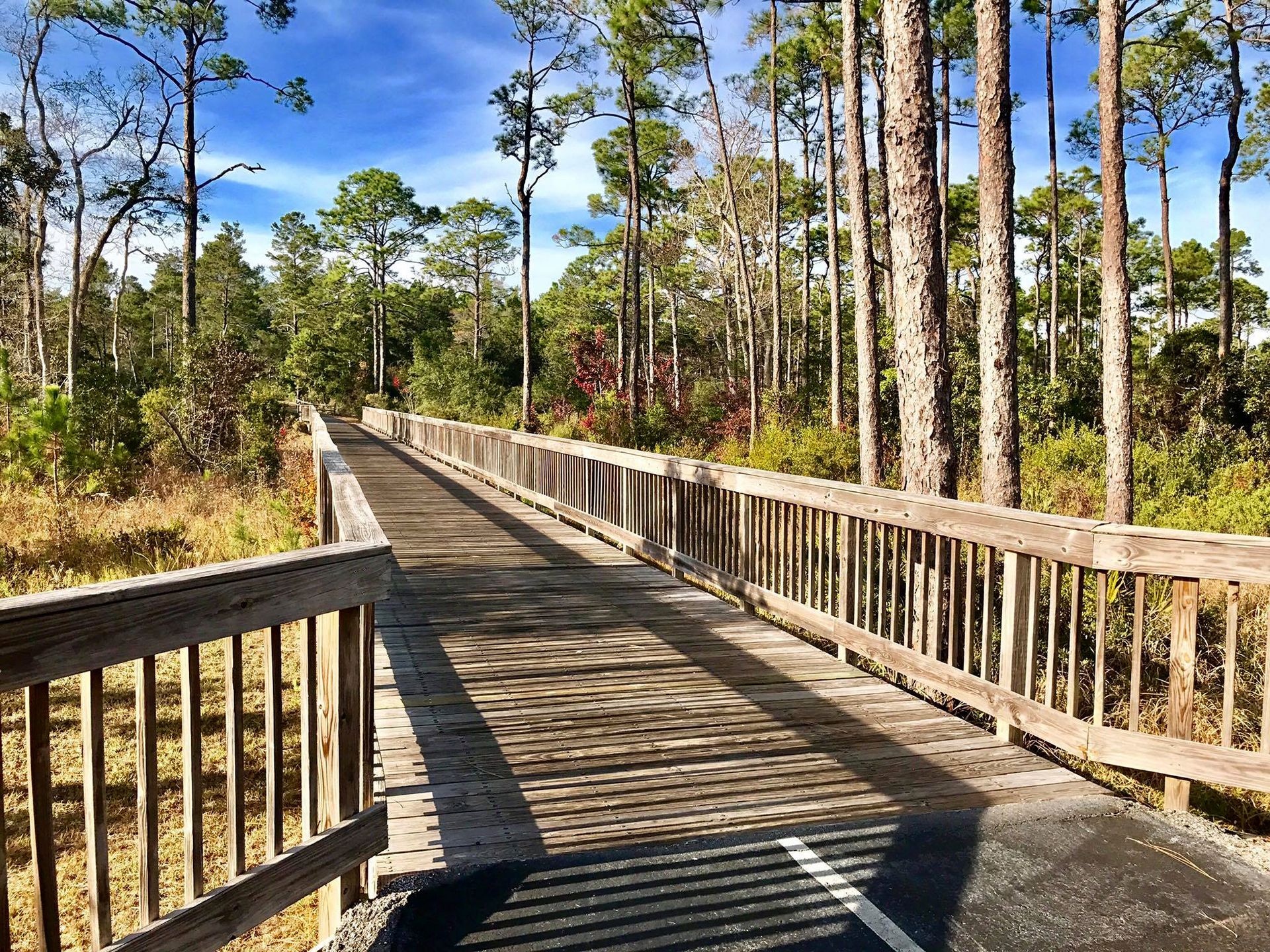
Orange Beach, Ala. — (OBA) — As Orange Beach grows, it is leaning into ecotourism, focusing on protecting the Hugh S. Branyon Backcountry Trail and surrounding habitats. The effort integrates conservation, education, and visitor access in a way that fits the area’s changing needs.
The Gulf Coast Center for Ecotourism & Sustainability is featured as part of that push, and the broader tourism message focuses on keeping the coast attractive without degrading it. The Backcountry Trail spans 28 miles and includes nine ecosystems, from live oak maritime forests to freshwater marshes.
Orange Beach and Gulf Shores have also used the “Leave Only Footprints” campaign to remind visitors to clear the beach after sunset and to help protect sea turtles and other wildlife. That message is part of a broader effort to keep public spaces clean, safe and usable for residents and guests alike.
Maritime forests play a major role in that balance. NOAA says these coastal forests help stabilize shorelines and support wildlife, while Gulf Islands National Seashore notes that they contain salt-tolerant plants and provide shelter for birds, reptiles and mammals.
The trail itself has also drawn national attention. In 2023, 2024, and 2025, it was named the top recreational trail in the country in the USA Today 10Best Readers’ Choice Awards, adding more pressure to manage rising use without harming the landscape.
The challenge for Orange Beach is simple but difficult: welcome more visitors while protecting the places that make the coast special. Local leaders are betting that education, careful planning and rules that protect natural areas can maintain that balance.
Share this article w/ Friends...