When Christmas Was Banned in America and How Alabama Brought It Back
Alabama recognized Christmas decades before it became federal law
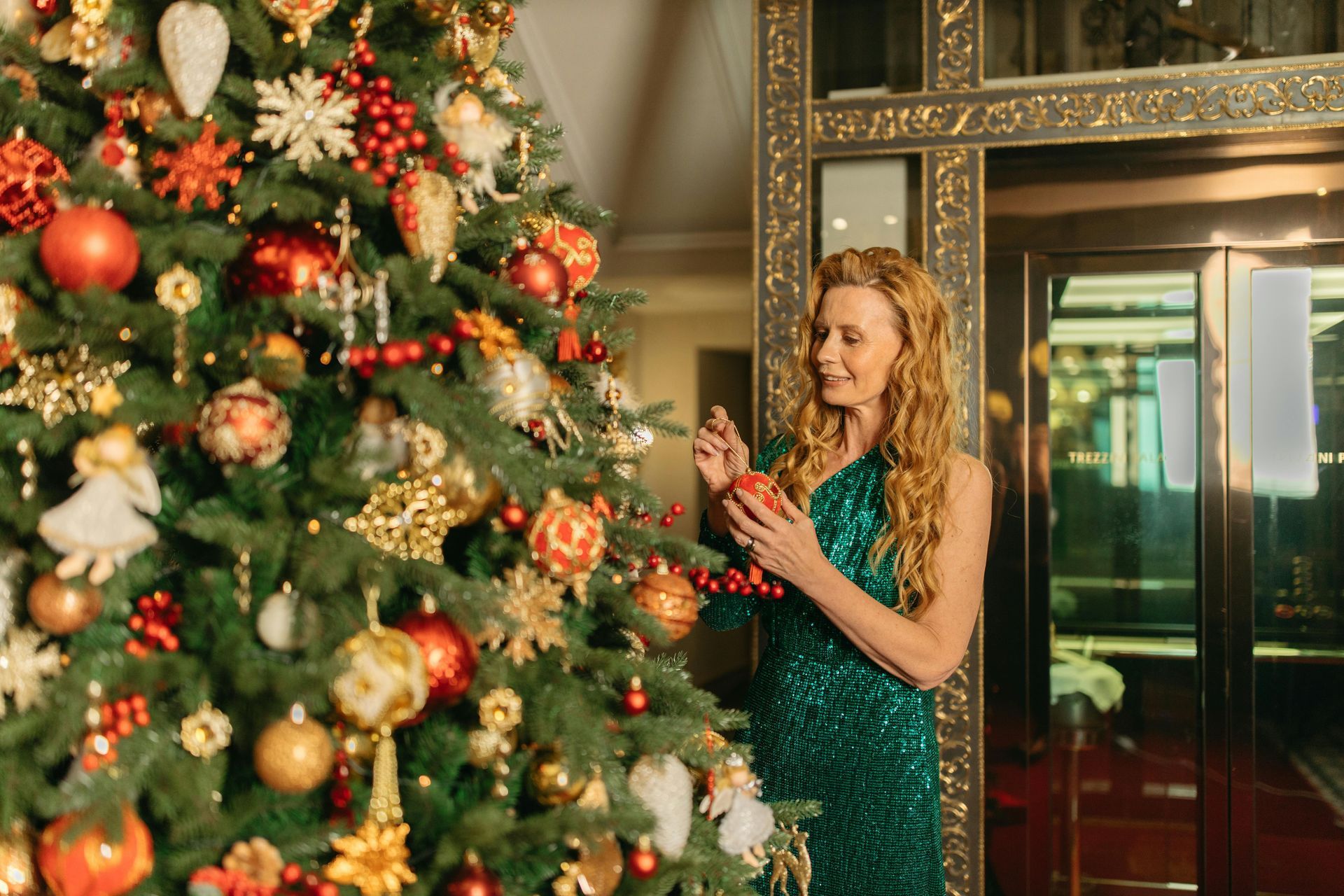
While Christmas is now a popular American celebration, its path to official recognition was long and regionally divided. For much of early American history, the holiday was actually suppressed. The Puritans of New England, viewing the celebrations as "popish" and rowdy, famously banned Christmas in the 17th century. Even after the bans were lifted, the holiday remained culturally taboo in the North, viewed as an ordinary workday well into the 1800s.
The Southern Difference
The story was quite different in the American South. Settlers in regions like Alabama—predominantly Anglican and Episcopalian—maintained the festive traditions of "Old England”. For Southerners, the season was not about solemn silence but about community, feasting, fox hunting, and firing guns to ring in the day. It was a time of social connection that aligned perfectly with the agrarian calendar, marking a much-needed rest after the harvest.
Alabama Takes the Lead
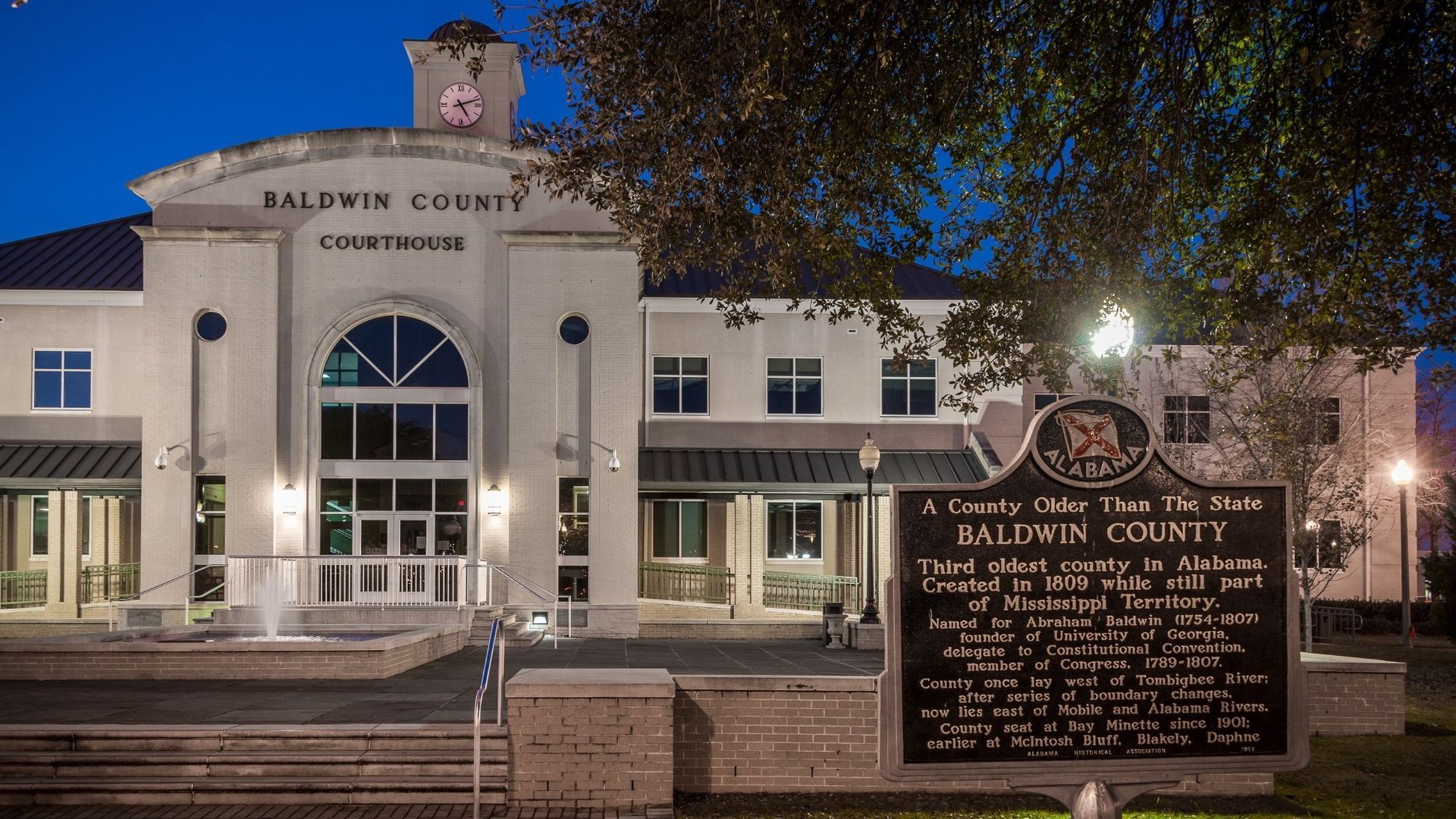
It was from this warm cultural embrace that Alabama became a pioneer in legalizing the holiday. In 1836, Alabama is widely credited as becoming the first state to officially recognize Christmas as a legal holiday. This legislative move formalized what was already a beloved cultural reality in the state, setting a precedent that defied the lingering Puritan austerity of the North.
A National Holiday
Alabama's early adoption foreshadowed a national shift. As the 19th century progressed, the popularity of the holiday spread, aided by the influence of Charles Dickens and Queen Victoria. However, it wasn't until the aftermath of the Civil War that the federal government caught up seeking to unify a fractured nation, President Ulysses S. Grant declared Christmas a federal holiday in 1870—nearly 35 years after Alabama had already led the way.
Share this article w/ Friends...