Gulf Shores Sets Clear Limits On E-Bike Use
Local guidance follows state law while adding restrictions for certain areas and age groups.
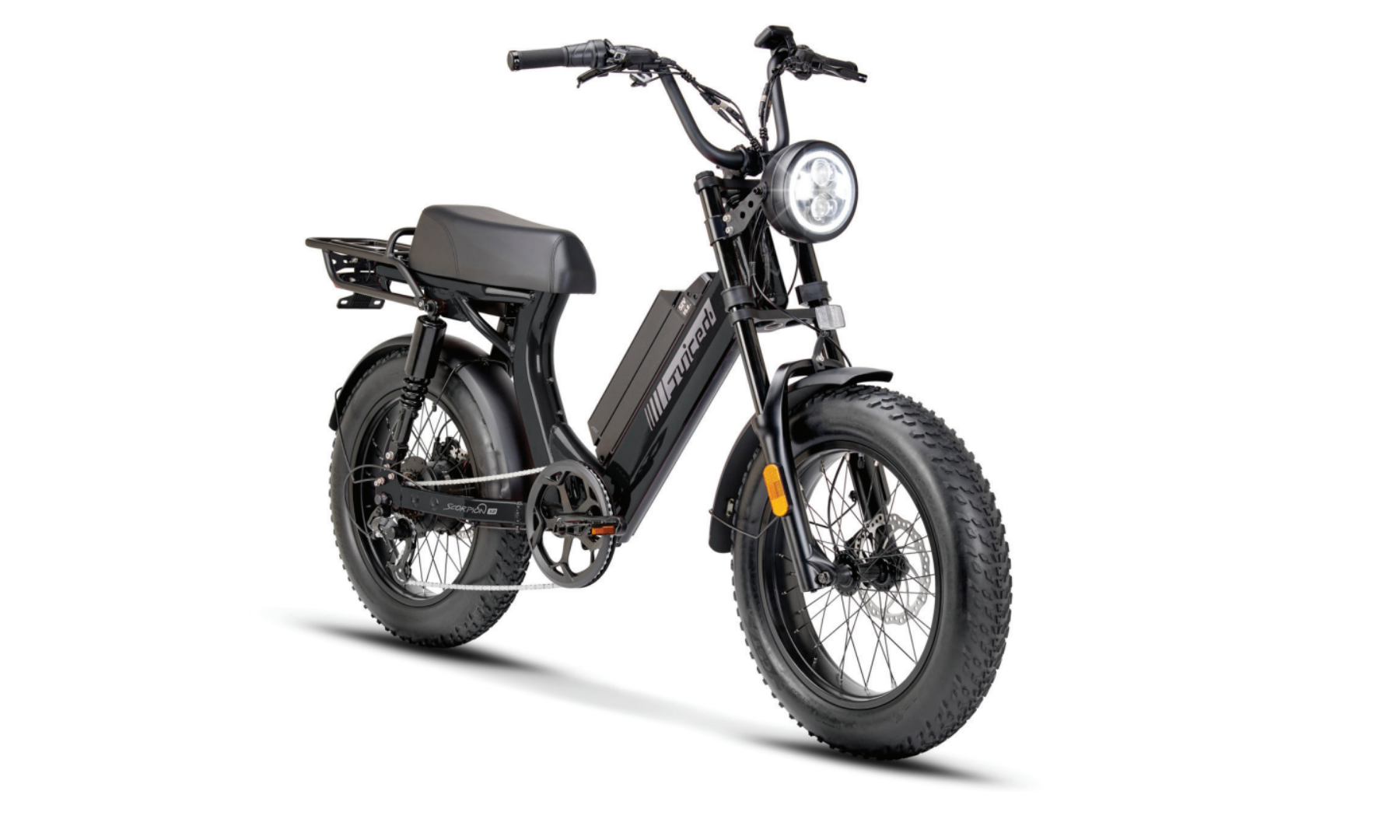
Gulf Shores, Ala. — (OBA) — The popularity of e-bikes and electric scooters has exploded in the past year. This creates special challenges for tourist communities. Many of the riders may be visiting the area and choose to rent the device, having little or no experience with a powered bike. Others may not know where it is legal to ride an e-bike. But the top problems appear to be the speed of some bikes and the lack of helmets for riders.
The Gulf Shores City Council approved changes to the city’s new ordinance regulating e-bikes this week.
“The purpose of this Ordinance is to implement reasonable regulations on the operation and use of these types of mobility devices pursuant to the City's police power to protect the public health, safety, and welfare, to better promote the safe use and operation of regulated mobility devices, to prevent vehicular and pedestrian conflicts and other traffic hazards, to prevent hazards to public safety, and to enhance pedestrian and motorist safety,” the ordinance reads.
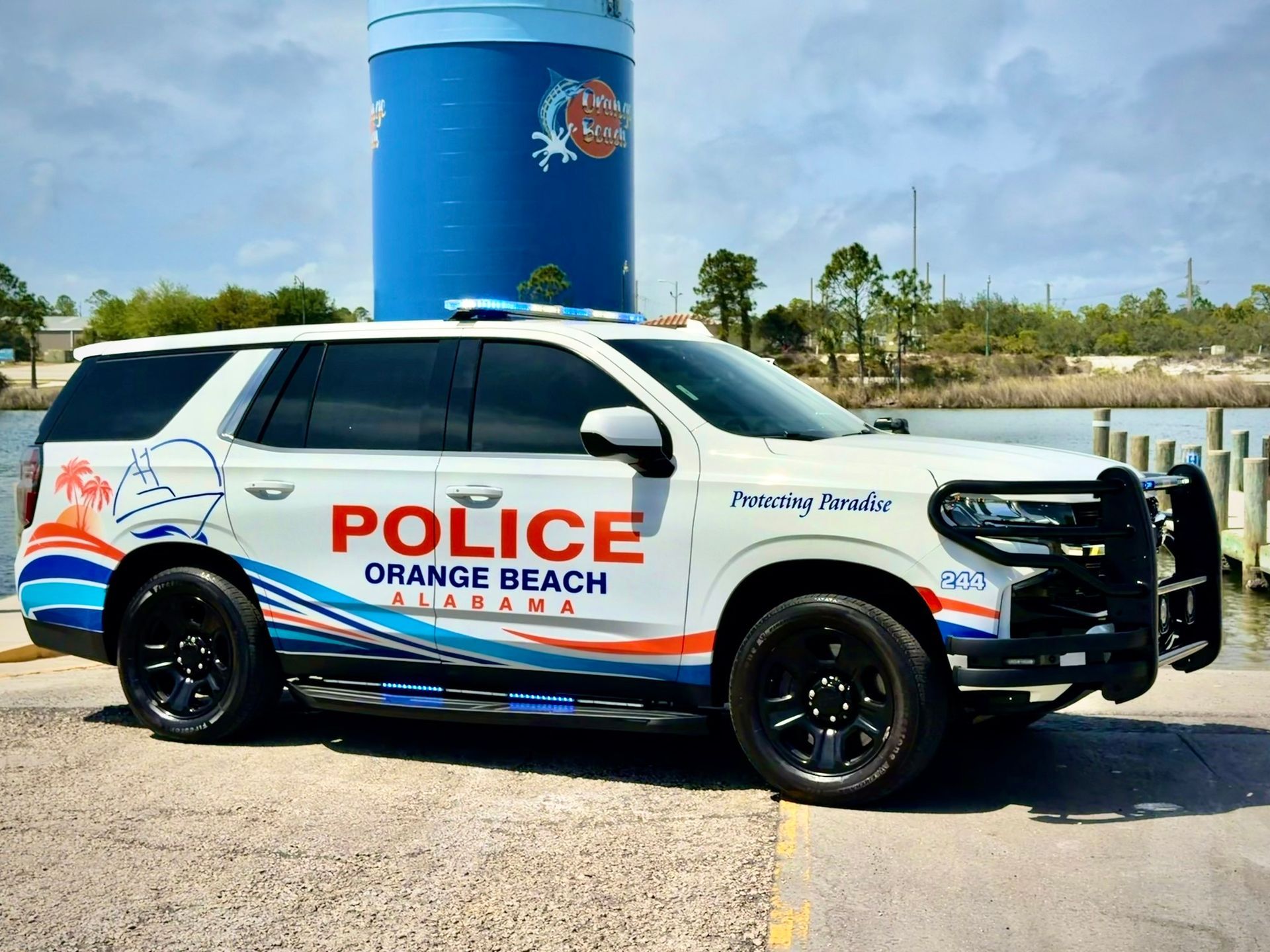
Police Chief Dan Netemeyer said he has heard from residents who want changes to make e-bikes safer for riders, car drivers, and pedestrians.
“That involves a 14-year-old who rented an e-bike here in Gulf Shores, wrecked it, broke his wrist, and missed almost the entire football season with the Gulf Shores High School,” Netemeyer said.
Regulations will require vendors to provide helmets and require viewing of an educational video, require regular inspections and prohibit rentals to people under 18 unless a waiver is signed by a parent or legal guardian, among other requirements.
It also lists unsafe operations such as operating against traffic, in a culvert, ditch, or channel, at a speed greater than the posted speed limit, and having passengers unless the e-bike is designed for passengers.
The latest changes remove a provision that allowed the city to endorse Class 2 e-bikes for rent with the throttle disabled, and only allow Class 1 rentals. However, a placard is presented.
Changes allow e-bikes to be impounded if renters under 18 violate the provisions.
The rental ordinance will go into effect on March 1 to give the city and rental companies time to prepare.
The city will also begin work educating minors on e-bike and e-moto safety.
“Last week, one of the nuisance abatement officers stopped an e-bike on Coastal Gateway at 46 miles an hour,” Netemeyer said. “It was operated by a 13-year-old with no helmet. So, this is relevant.”
The City Council approved ordinance 21-97 regulating operators, with only Councilman Steve Jones voting no. Ordinance 21-98 regulating rental companies was approved unanimously.
From the City of Gulf Shores E-Bike page:
E-Bike Rules & Regulations
In the interest of safety, the City of Gulf Shores strives to make residents and visitors of the city safe for all at all times. Operators of e-bikes are reminded of the following rules and regulations as they relate to the State of Alabama law, City Ordinance, and general rules of etiquette:
- E-bikes have the same responsibilities as motor vehicle drivers and must adhere to all rules of the road, to include stopping at stop signs and red lights
- E-bikes should yield at all times when encountering pedestrians and bicycles
- E-bikes must signal when turning
- E-bikes shall utilize any usable path for bicycles that has been placed adjacent to a roadway
- E-bikes are prohibited from operating on sidewalks, this includes the sidewalk areas within Gulf Place
- E-bikes should not ride two or more abreast except on paths or parts of roadways set aside for the exclusive of bicycles and e-bikes
- E-bikes should not operate in a reckless manner which could cause harm to the operator, passenger, or other members of the public
- Individuals under the age of 16 may not operate a Class 3 e-bike and may only ride as a passenger on a Class 3 e-bike if the e-bike is designed to accommodate passengers
- All operators of Class 3 e-bikes shall wear a properly fitted and fastened protective bicycle helmet that meets the standards provided by either the United States Consumer Product Safety Commission or the American Society for Testing and Materials
Share this article w/ Friends...