Alabama Officials Announce Closing Of Public Oyster Reefs
Marine Resources Division sets December closure as surveys show drop in harvestable oysters
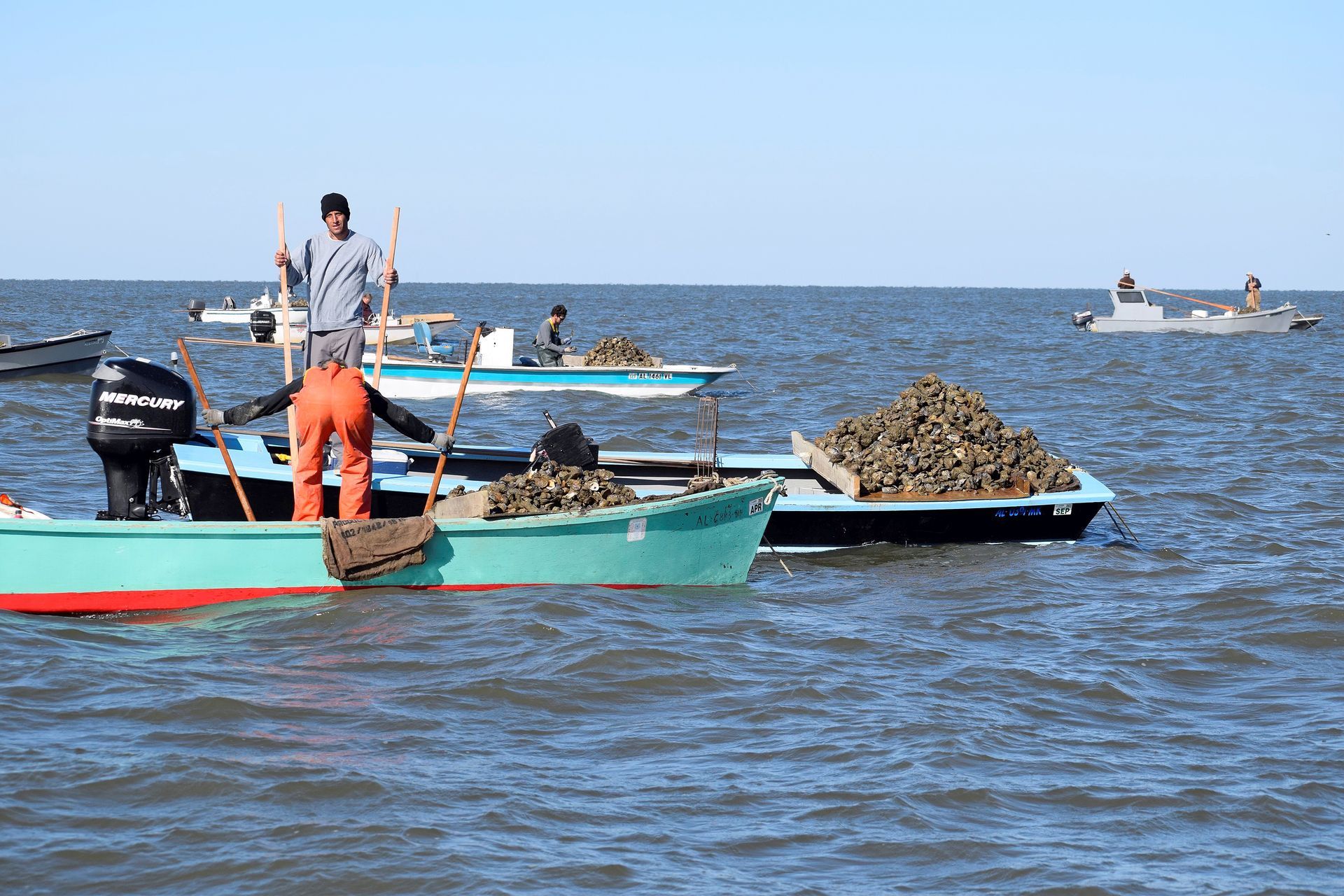
Orange Beach, Ala. — (OBA) — Alabama’s 2025 oyster season is coming to a close after a season marked by lower oyster numbers and ongoing environmental stress. State marine officials say public oyster reefs will soon shut down to harvesting. The decision follows weeks of monitoring and scientific surveys on local reefs. Leaders stress that the move is meant to protect the long-term health of the state’s oyster resources.
The Marine Resources Division of the Alabama Department of Conservation and Natural Resources announced that all public water bottoms will close to oyster harvest at 2 p.m. on Tuesday, December 23, 2025. Alabama’s public oyster reefs opened for the season on October 6, 2025. By the time the season ends, the reefs will have been open for 54 harvest days. Officials say the closure follows state law and established conservation rules.
During the 2025 season, commercial oyster catchers harvested about 5,000 sacks of oysters from Alabama’s public reefs. Those sacks total roughly 425,000 pounds of oysters. The harvest carries an estimated dockside value of more than 170,000 dollars. State leaders say these figures are modest compared with stronger years in the past.
Kevin Anson, director of the Marine Resources Division, said state surveys showed trouble before the season even began. “Surveys of oyster reefs conducted before the 2025 season opening indicated the abundance of harvestable oysters was much less compared to last year,” Anson said. The surveys measured oyster numbers and combined those findings with data from water quality stations. Together, they painted a picture of a population under strain.
Scientists track several key measures near the oyster reefs, including salinity, dissolved oxygen, and water temperature. According to Anson, that data “suggests Alabama’s oyster populations have faced multiple stressors in recent years which have led to a population decline.” One problem has been extended periods of low salinity in the spring, right after oyster larvae settle on the bottom. Another problem has been occasional periods of higher than normal water temperatures in summer.
Those hot periods can lead to low dissolved oxygen levels, which are especially harmful to young oysters. “These events negatively affect young oysters more than adult oysters and appear to have significantly reduced survival rates for very young oysters,” Anson said. Because oysters need at least 18 months to reach harvestable size, today’s losses show up later in fewer adults. “Since it takes a minimum of 18 months for an oyster to reach harvestable size, we anticipate a lower number of adult oysters on Alabama's reefs in 2026,” he added.
Even as the season ends, state staff are working to better understand and restore the reefs. Marine Resources Division scientists continue to study oyster larval settlement patterns and water quality changes through the year in Mobile Bay and Mississippi Sound. Their goal is to find the best locations to rebuild and strengthen Alabama’s oyster reefs. Officials say careful site selection is key when conditions are changing.
This ongoing work is backed by a 10 million dollar award from the Natural Resources Damage Assessment Trustee Implementation Group. The money comes from the Deepwater Horizon Oil Spill Settlement. Alabama Conservation Commissioner Chris Blankenship serves as the lead NRDA trustee for the state. The project’s focus is to restore and maintain Alabama’s oyster reefs so they can support both the ecosystem and the seafood industry for generations.
State leaders also point to teamwork as a bright spot in a difficult season. The Marine Resources Division works closely with the Alabama Department of Public Health, commercial oyster catchers, and seafood dealers. Other partners also help support responsible harvesting and monitoring. Officials say this cooperation is vital to keeping the remaining oyster populations stable while restoration continues.
The Alabama Department of Conservation and Natural Resources promotes wise use and protection of the state’s natural resources through four divisions. Those are the Marine Resources Division, State Lands, State Parks, and Wildlife and Freshwater Fisheries. Together, they manage resources from reefs and rivers to forests and beaches. More information about their work can be found at the
Outdoor Alabama website.
Share this article w/ Friends...