
Alabama Health Officials Warn Of Extreme Cold Dangers
Frostbite and cold exposure can turn deadly without quick action
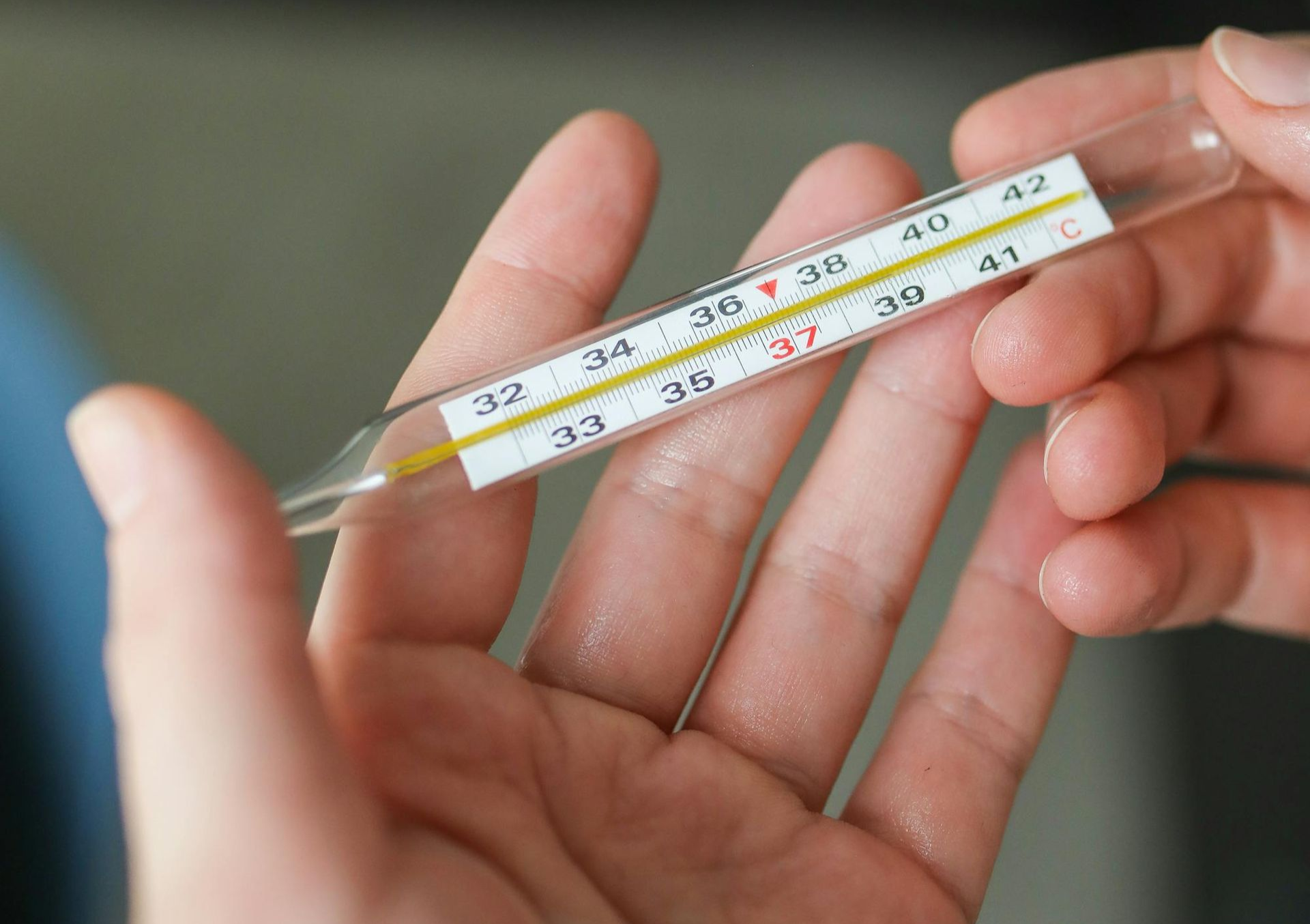
Orange Beach, Ala. — (OBA) — The Alabama Department of Public Health is warning residents to take extra precautions during extremely cold weather to prevent medical emergencies like hypothermia and frostbite. Health officials warn that both conditions can develop rapidly and become life-threatening without quick action. They also remind residents to use generators safely to prevent carbon monoxide poisoning. Cold weather might seem mild to some, but it can pose serious health risks if proper precautions are not taken.
The Alabama Department of Public Health (ADPH) urged people to recognize the early signs of cold-related illnesses and take preventive steps. Recent data show that 11 people in Alabama died from hypothermia-related causes in 2024, 13 in 2023, and 18 in 2022.
“Hypothermia is a medical emergency that can be fatal,” ADPH officials said. The condition occurs when a person’s body temperature falls below 95°F. When exposed to freezing air, the body loses heat faster than it can produce it, which means hypothermia can set in within minutes.
Frostbite is another danger in cold weather. It most often affects exposed areas, including the cheeks, nose, and ears, as well as the hands and feet. Early warning signs include numbness, loss of feeling, or a stinging sensation. Experts advise bringing the person indoors, warming the affected area slowly, and avoiding rubbing the skin to prevent tissue damage. If numbness persists, seek medical attention immediately.
Adults with hypothermia may experience shivering, exhaustion, confusion, fumbling hands, memory loss, slurred speech, or drowsiness. Babies may show bright red, cold skin and very low energy. Signs of frostbite include white or grayish-yellow skin, firm or waxy skin, and numbness.
If someone shows signs of hypothermia, doctors recommend moving the person to a warm shelter, removing wet clothing, and warming the chest, neck, head, and groin with an electric blanket or by using body heat under dry layers of clothing. Warm beverages may help, but alcohol should be avoided, and no drinks should be given to an unconscious person.
The Centers for Disease Control and Prevention (CDC) reports that those most at risk include older adults with limited heating or food, babies sleeping in cold rooms, people who spend long hours outdoors, such as the homeless, hikers, and hunters, and anyone using alcohol or drugs in cold conditions.
The ADPH also issued reminders about generator safety. Carbon monoxide—the gas produced by generators—is colorless, odorless, and deadly. Generators should always be used outdoors, at least 20 feet from windows, doors, and garages. Officials stress using heavy-duty extension cords and keeping equipment dry to avoid electrical shock.
Share this article w/ Friends...