Orange Beach Rental Managers Push Back on New Airbnb Rules at City Council Meeting
Orange Beach Vacation Rental Laws Discussed
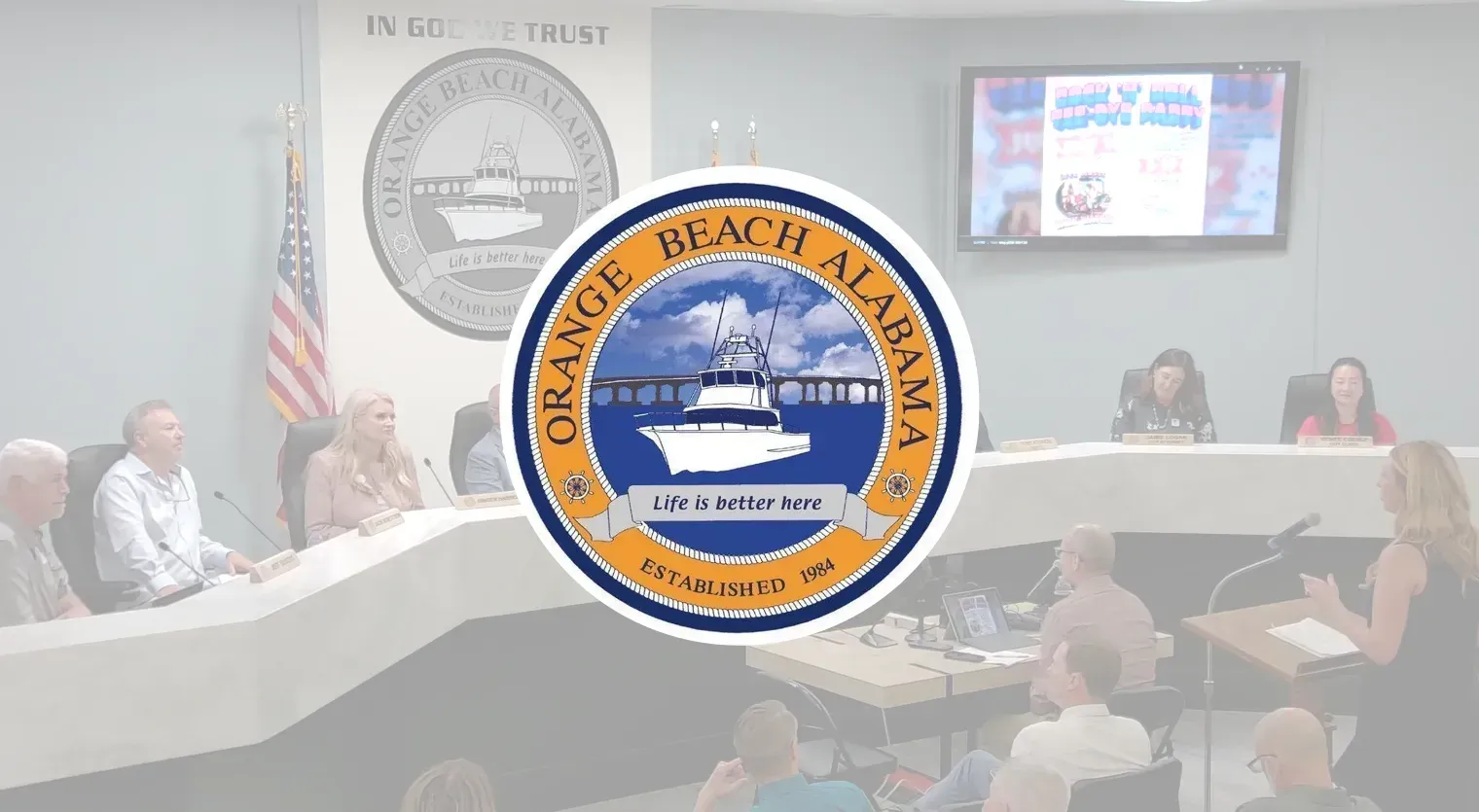
Orange Beach, Ala. — (OBA) — Local vacation rental management companies and property owners are raising concerns directly with the Orange Beach City Council about tactics used by national booking firms. Vacation rentals are one of the largest sources of tax revenue for local cities, making this sector's stability vital to the community. The initiative focuses on the fine print of Airbnb's updated host and checkout policies, which take effect on November 20. In a press release, BeachBall Properties is urging concerned locals to attend today's city council meeting.
While these corporate changes have been reported nationally as relieving guests of checkout chores, local managers emphasize that the rules eliminate crucial protections by removing requirements for guest IDs, signed rental agreements, and direct contact information. Without these items, local police cannot help with evictions; property owners face unmitigated risks of fraud or damage; and managers cannot reach guests during emergency evacuations. Notably, BeachBall Properties—the company that issued the media alert—is owned by Orange Beach City Council member Ginger Harrelson.
When most local companies try to compete with a national firm, they typically rely on pricing and marketing as their primary tools. However, the proposal focuses on changing municipal rules and enacting local ordinances to safeguard local rental businesses, their staff, and neighborhood safety.
With the rise of new technology, booking a vacation home has become faster and simpler on mobile devices, and national firms gain additional advantages by partnering with credit card companies and offering points for stays to rewards program members. Although the press release notes that local rental managers will speak at the council meeting, it does not explicitly name the firms involved. This leaves open the question of whether local companies fear losing more properties to the rise of specialized rental maintenance and turn-service firms. More beach property owners are listing with national management platforms while contracting independently with growing local service providers for housekeeping, maintenance, and key distribution.
Despite the shift toward national platforms, local management firms offer distinct advantages, including faster on-site service and a larger share of revenue retained within the local economy. Furthermore, the Alabama coastal region has long maintained a strong reputation for exceptional guest service and clean, well-maintained vacation rentals.
While it may be time to update rental laws across coastal towns to reflect evolving industry models, doing so raises broader questions about fair process: should the city provide greater advance notice to actual property owners and conduct a formal survey of every registered rental property owner on record in Orange Beach before passing new rules?
It truly appears to be a "David versus Goliath" situation as the Orange Beach City Council prepares to enter, with the upcoming meeting seeking to address these pressing questions for the local tourism market.
MEETING DISCUSSION: (Nov. 3, 2026) - Concerns Regarding Online Travel Agency Policies
The relationship-driven foundation of the tourism industry in coastal communities such as Orange Beach and Gulf Shores is under growing strain from policy shifts by major Online Travel Agencies (OTAs) like Airbnb and Vrbo. Local property managers, who have long cultivated trust with property investors, guests, and community members, express growing concern that new platform mandates are undermining their operations and local governance.
At the core of the issue are restrictions imposed by OTAs that limit property managers' ability to communicate directly with guests or collect vital information. Under these policies, guest contact details—including phone numbers and email addresses—are withheld or masked with temporary, system-generated identifiers. Platforms also prohibit managers from requiring signed rental agreements or verifying guest identification before check-in. Local officials and property managers emphasize that these measures hinder compliance with municipal ordinances that require informing visitors of community rules, regulations, and potential penalties for misconduct.
Beyond municipal compliance, the inability to verify guest identities poses significant operational and legal challenges for licensed property managers. Regulated by the Alabama Real Estate License Commission, property managers must maintain strict standards for property safety, asset protection, and financial management. Anonymized guest profiles limit manager oversight and complicate emergency communications during events such as severe weather or utility failures. Additionally, local stakeholders warn that a lack of guest verification could increase vulnerability to unauthorized property use or illegal activity within residential communities.
In response to upcoming rule changes effective November 20, local leaders and property management professionals are exploring options to align city ordinances and safeguard community interests. Suggestions include coordinating joint efforts between Orange Beach and Gulf Shores, evaluating state-level legislation on broker transactions, and establishing local regulatory frameworks that require guest identification and rental agreement execution. By reinforcing local requirements, municipal leaders aim to maintain community safety, support small-business property investors, and preserve the integrity of the regional tourism economy.
Share this article w/ Friends...