Gulf Shores Teacher Joins NOAA Research Crew for Shark Survey in Gulf
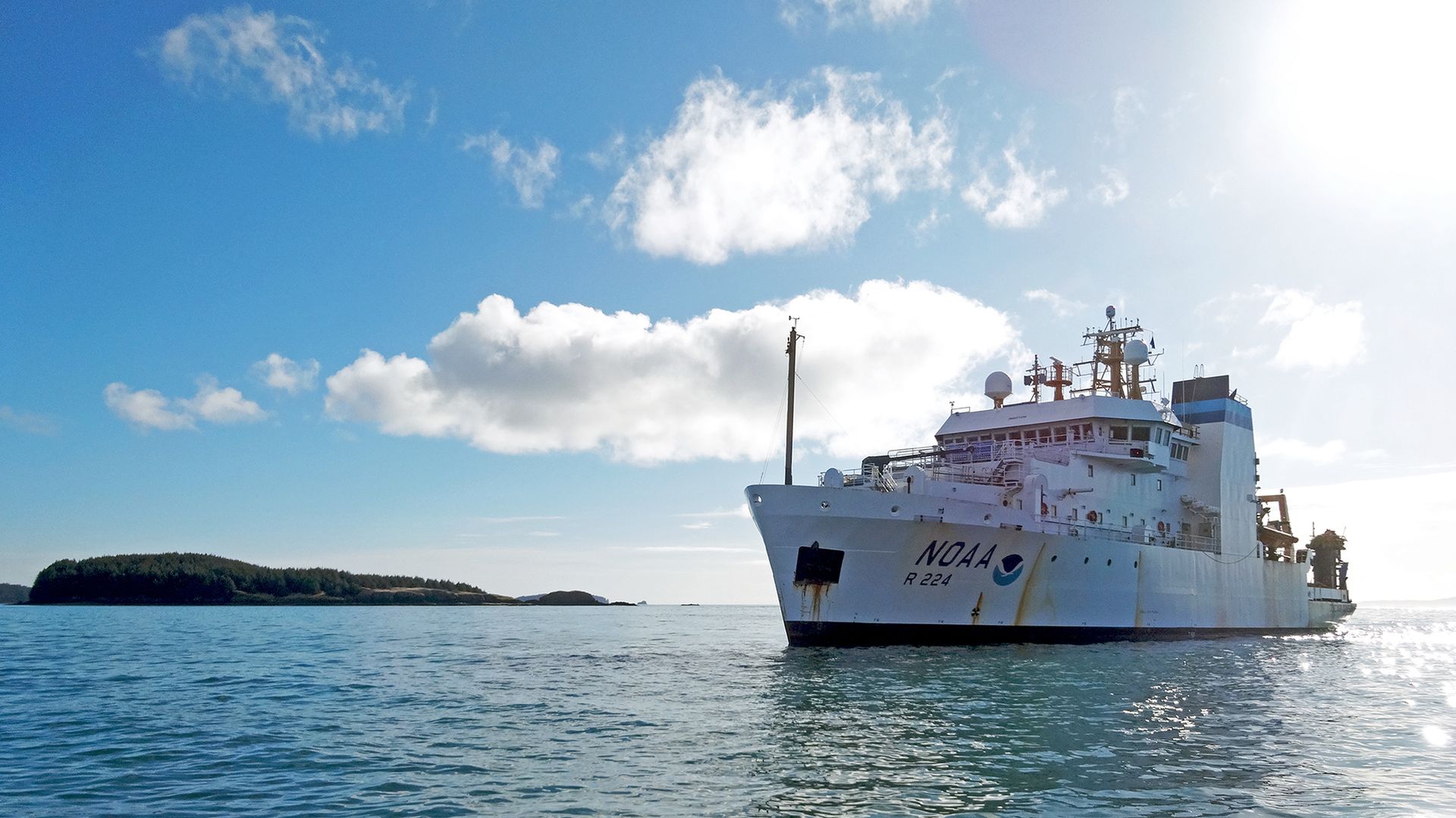
Fleming spent 16 days aboard the NOAA Ship Oregon II in September
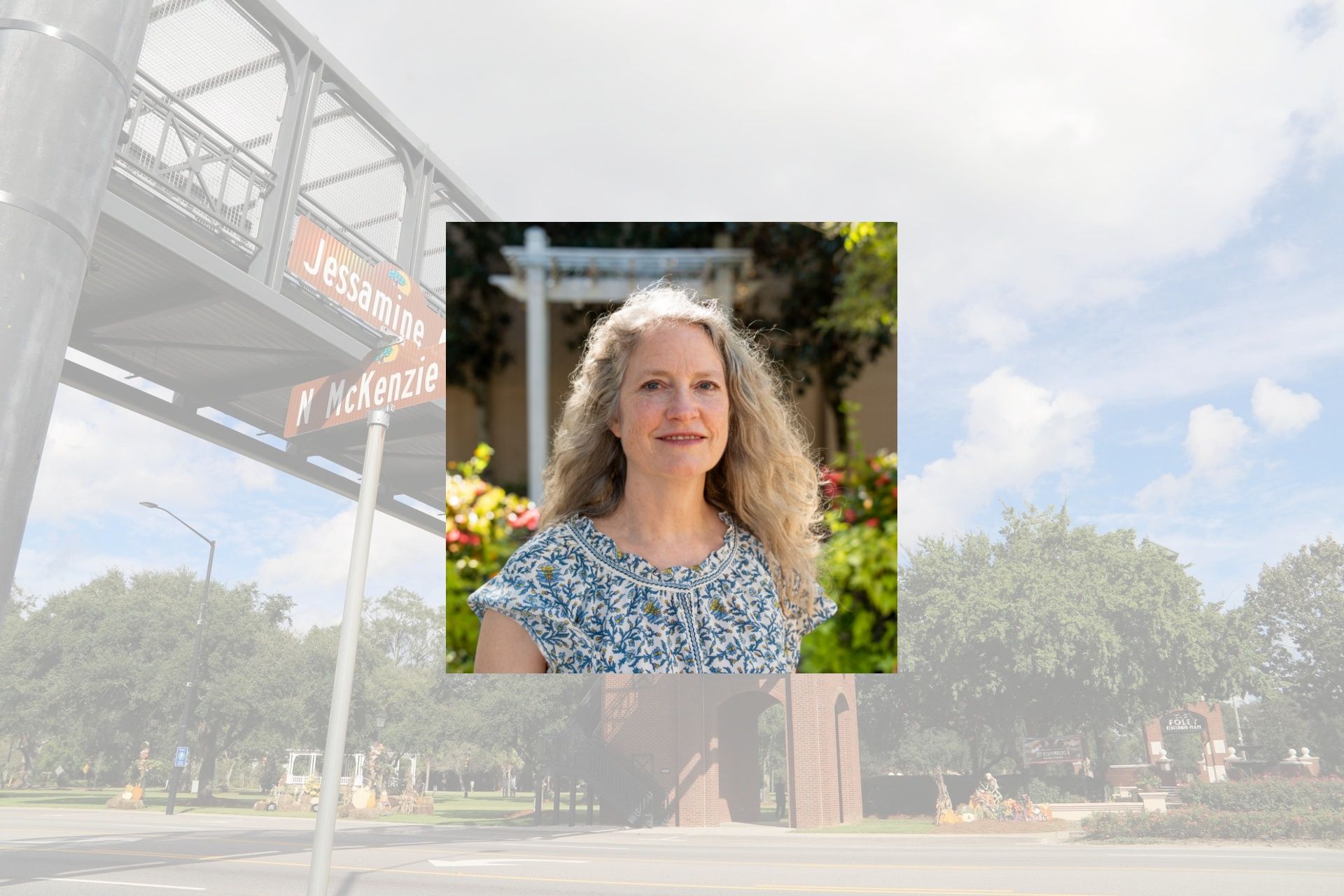
Gulf Shores, Ala. — (OBA) — A Gulf Shores High School teacher traded her classroom for the open sea in September, joining a team of federal scientists on a major marine research expedition. Krista Fleming, who teaches environmental science and marine biology at the school in Gulf Shores, Alabama, participated in a 16-day bottom longline survey of sharks and snappers in the western Gulf of America. NOAA's Teacher at Sea program selected Fleming for the trip, connecting educators with real-world scientific research at sea.
On Saturday, September 5, Fleming departed from Pascagoula, Mississippi, aboard NOAA Ship Oregon II. The survey focused on shark and snapper populations along the coasts of Texas and Louisiana. Fleming worked alongside scientists daily, collecting data throughout the multi-week voyage
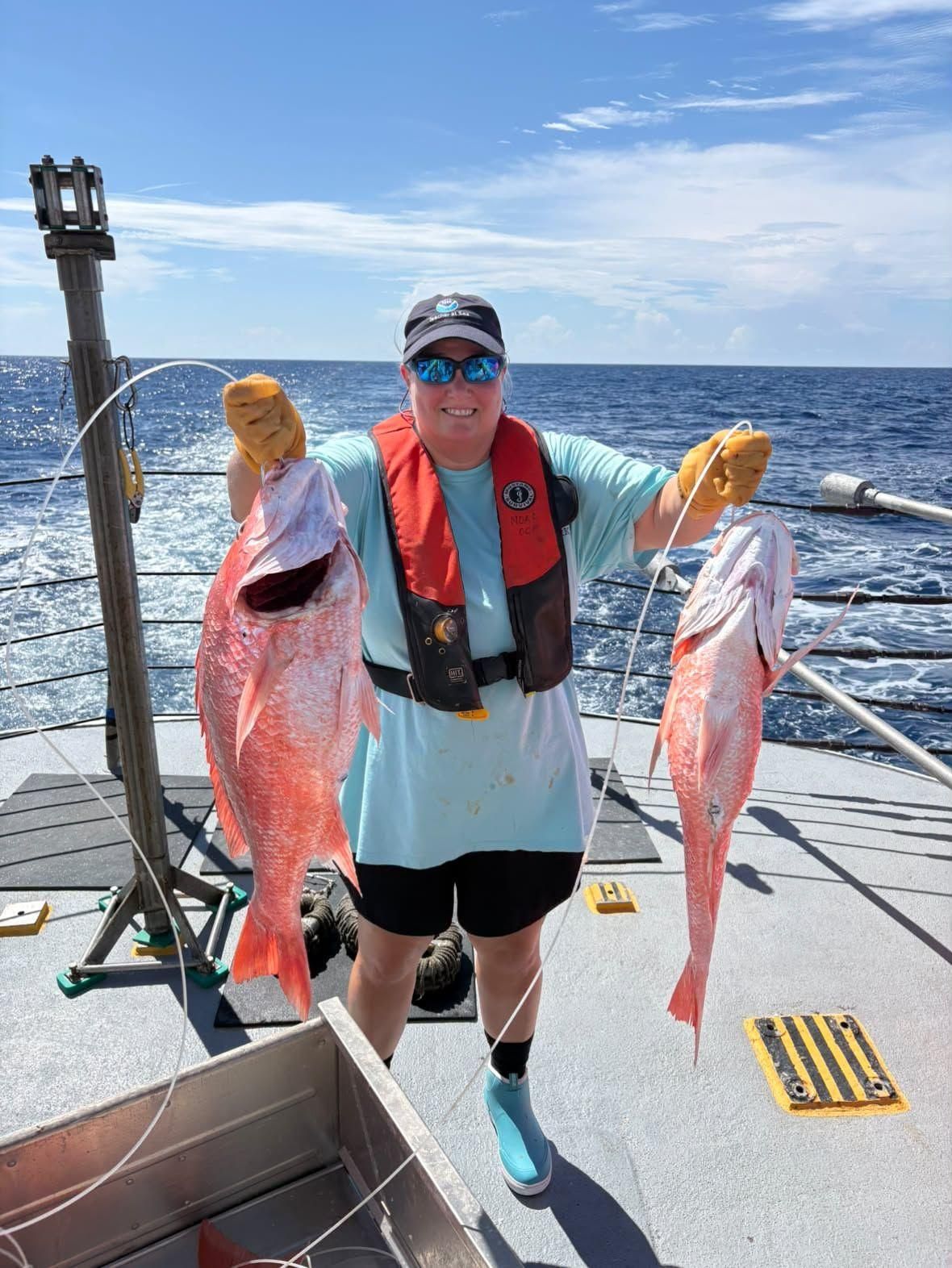
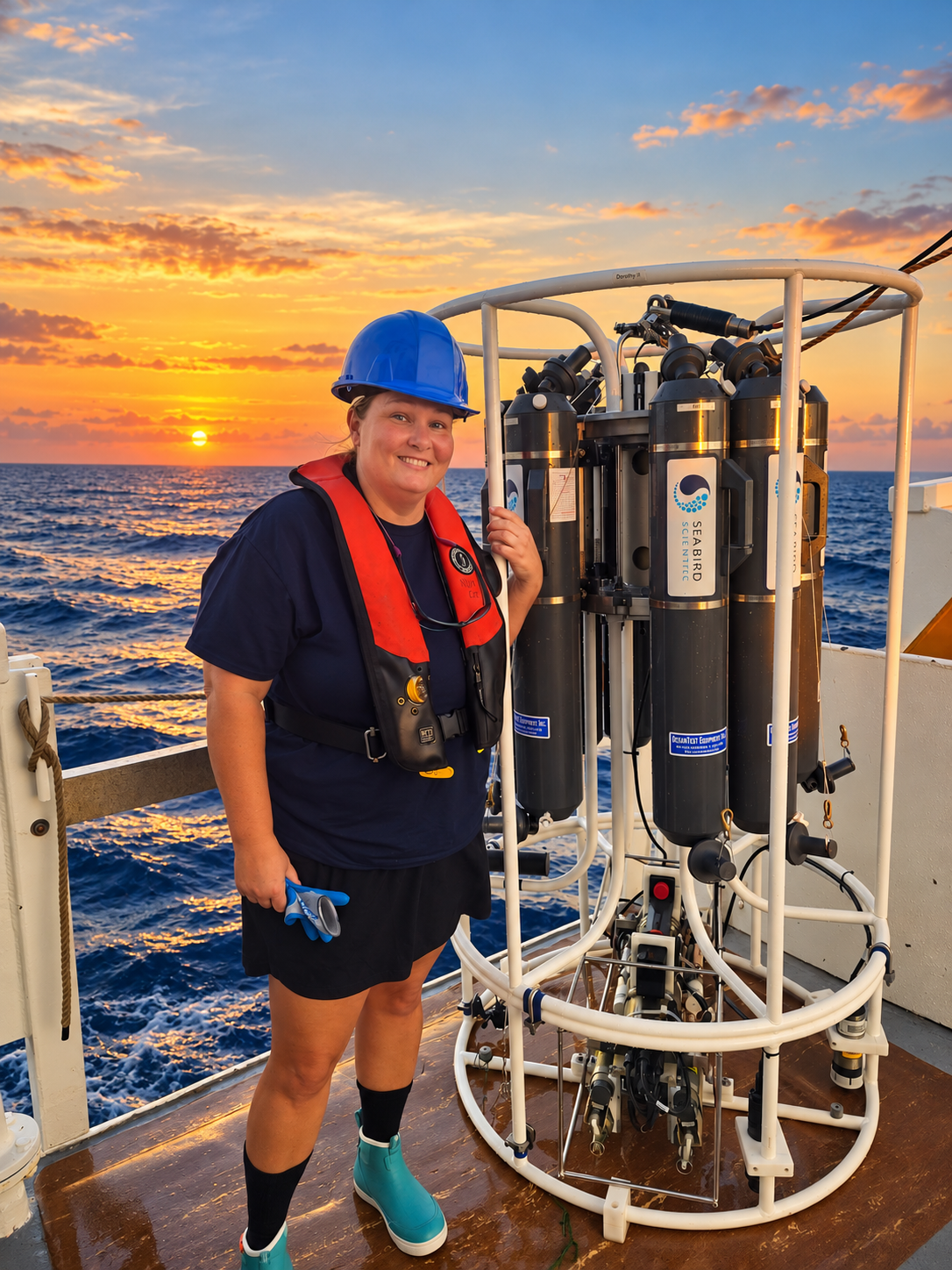
Fleming said the experience changed how she thinks about teaching marine science. "Through my NOAA experience, I'm excited to bring real research at sea directly into my classroom so students can explore authentic data and investigations in our oceans," she said. "By sharing my hands-on experiences and discoveries aboard the research vessel, I will help students see how science works in the real world and inspire their curiosity about marine research and environmental problem-solving."
Jennifer Hammond, the director of the Teacher at Sea program, praised the program's impact on educators. "NOAA's Teacher at Sea Program gives teachers the professional opportunity of a lifetime with a chance to participate in cutting-edge science on the ocean, working side-by-side with world-renowned scientists," Hammond said. "Teachers describe this authentic research experience as transformative and one that allows them to bring new knowledge and excitement back to their classrooms."
The Teacher at Sea program has been sending educators to sea since 1990. Since then, more than 900 teachers have participated. Participants live and work alongside scientists while studying the marine environment firsthand. The experience equips teachers to return to their schools with more in-depth knowledge and renewed enthusiasm for ocean science.
NOAA's broader mission includes understanding and predicting changes in Earth's environment, from deep ocean systems to solar activity. The agency also works to conserve and manage coastal and marine resources nationwide.
Share this article w/ Friends...