
Fall Bird Migration Is Underway Along Alabama's Gulf Coast
Alabama’s forests and coastal areas provide crucial rest stops for birds traveling to the Gulf.
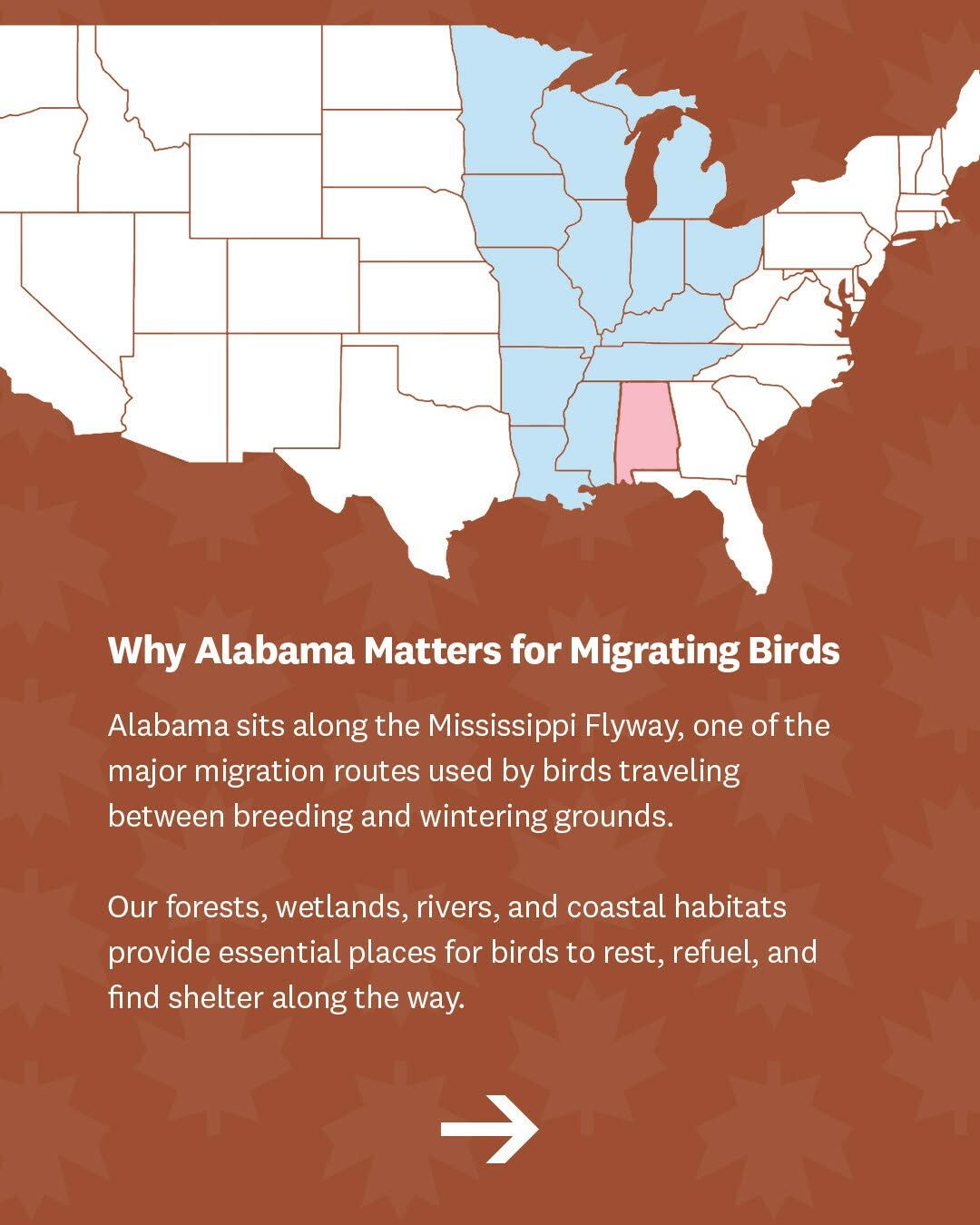
Orange Beach, Ala. — (OBA) — Alabama is in the midst of one of nature's most significant seasonal events. Each fall, millions of birds travel through the state along the Mississippi Flyway, a major migration route stretching from central Canada to the Gulf. The state's forests, wetlands, rivers, and coastal habitats serve as vital stopover sites where birds rest and refuel. Conservation Alabama urges residents across the Gulf Coast region to pay attention — and take small steps to help.
According to BirdCast, an estimated 5,607,800 birds were in flight at peak activity over Alabama during the night of Monday, August 17, into Tuesday, August 18, 2026. Interestingly, while over 5.6 million birds were in the air at once, BirdCast estimates that only 2,982,500 birds fully crossed the state that night. This disparity highlights the importance of Alabama's geography: because many migrating birds don't cross the entire region in a single night, millions land within Alabama's borders to rest and forage, resulting in more birds aloft than exit the state. Most fall migration traffic in the region runs from early September through October, with southbound birds heading toward wintering grounds along the Gulf and beyond.
Alabama's position along the Mississippi Flyway makes it especially important for migratory birds. The flyway is one of four major routes in North America used by more than 325 bird species. Nearly 40 percent of all North American waterfowl and shorebirds use it each year.
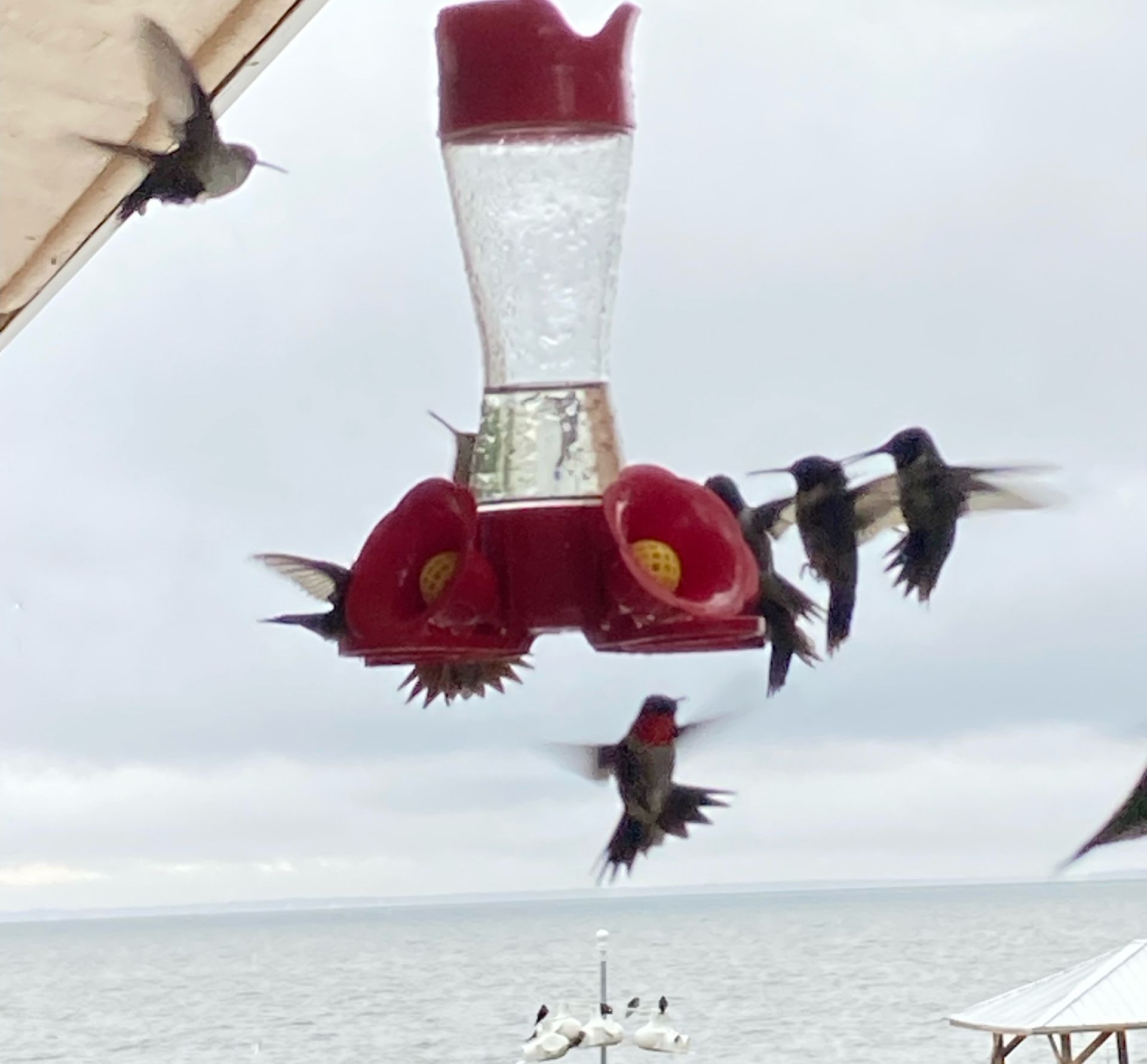
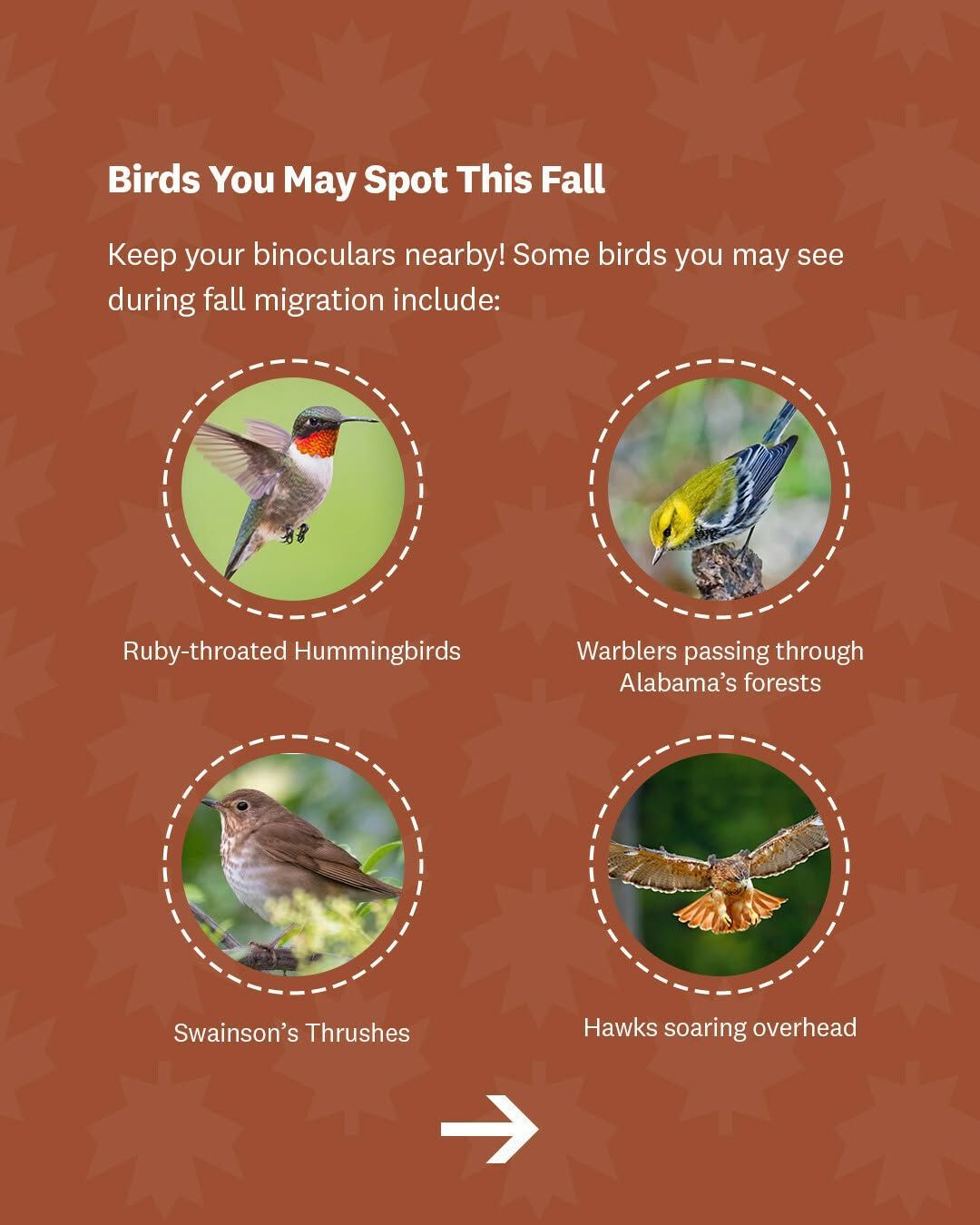
Several species are likely to pass through the area this fall. Ruby-throated Hummingbirds are common early in the season, while warblers move through Alabama's forests in September and October. Swainson's Thrushes and hawks are also expected, according to Conservation Alabama's public awareness campaign.
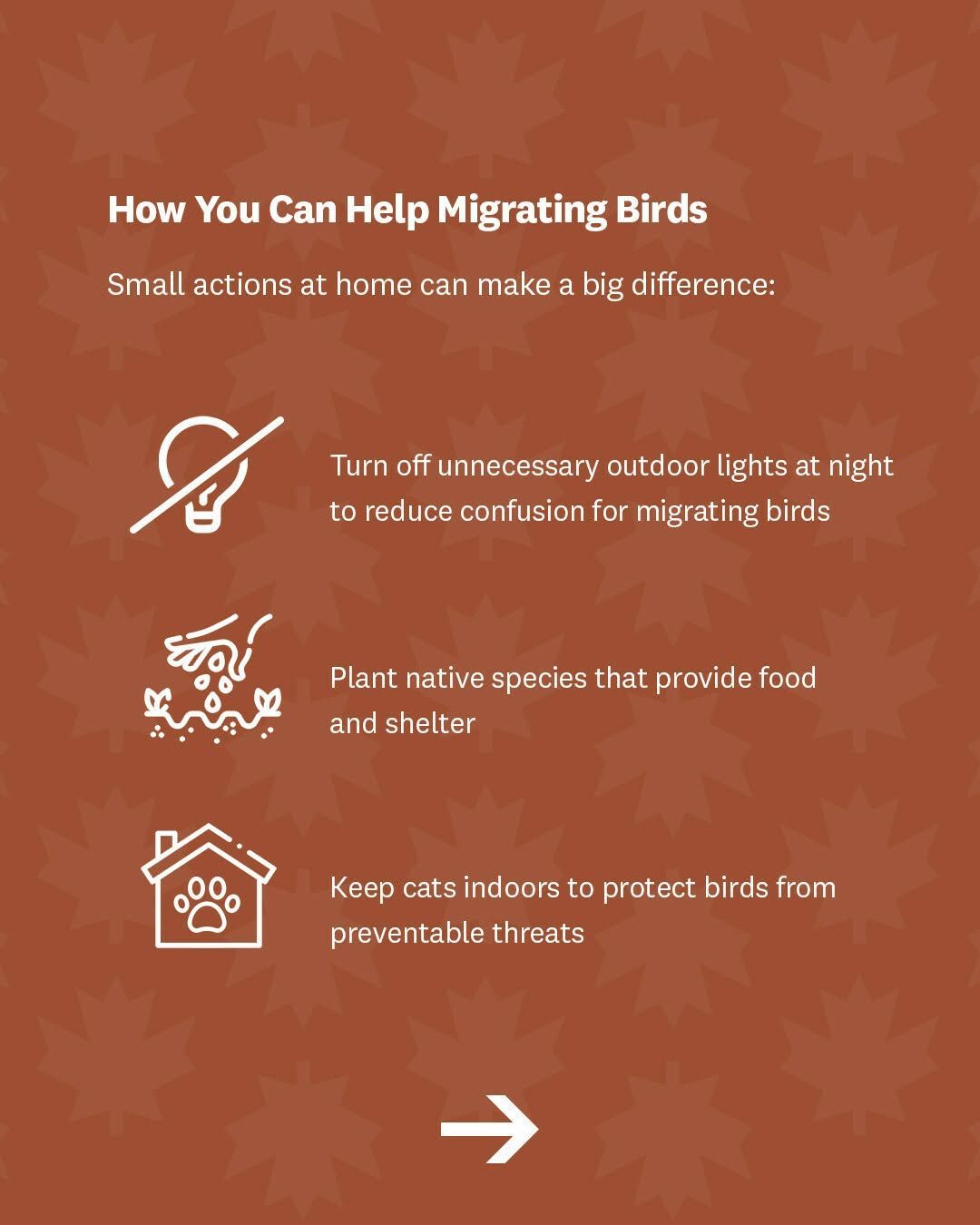
The group is asking residents to make small changes at home. Turning off unnecessary outdoor lights at night reduces confusion for birds that migrate at night. Planting native species provides food and shelter along the way. Keeping cats indoors also limits one of the most common threats birds face during migration.
Conservation Alabama notes that protecting bird habitat benefits more than wildlife. The lands that support migrating birds — rivers, forests, and coastal areas — also provide clean water, support local economies, and enable outdoor recreation for people across the region.
Share this article w/ Friends...