Before New Orleans Mobile Set Mardi Gras in Motion
Why Mobile’s clubs and processions influenced New Orleans krewes
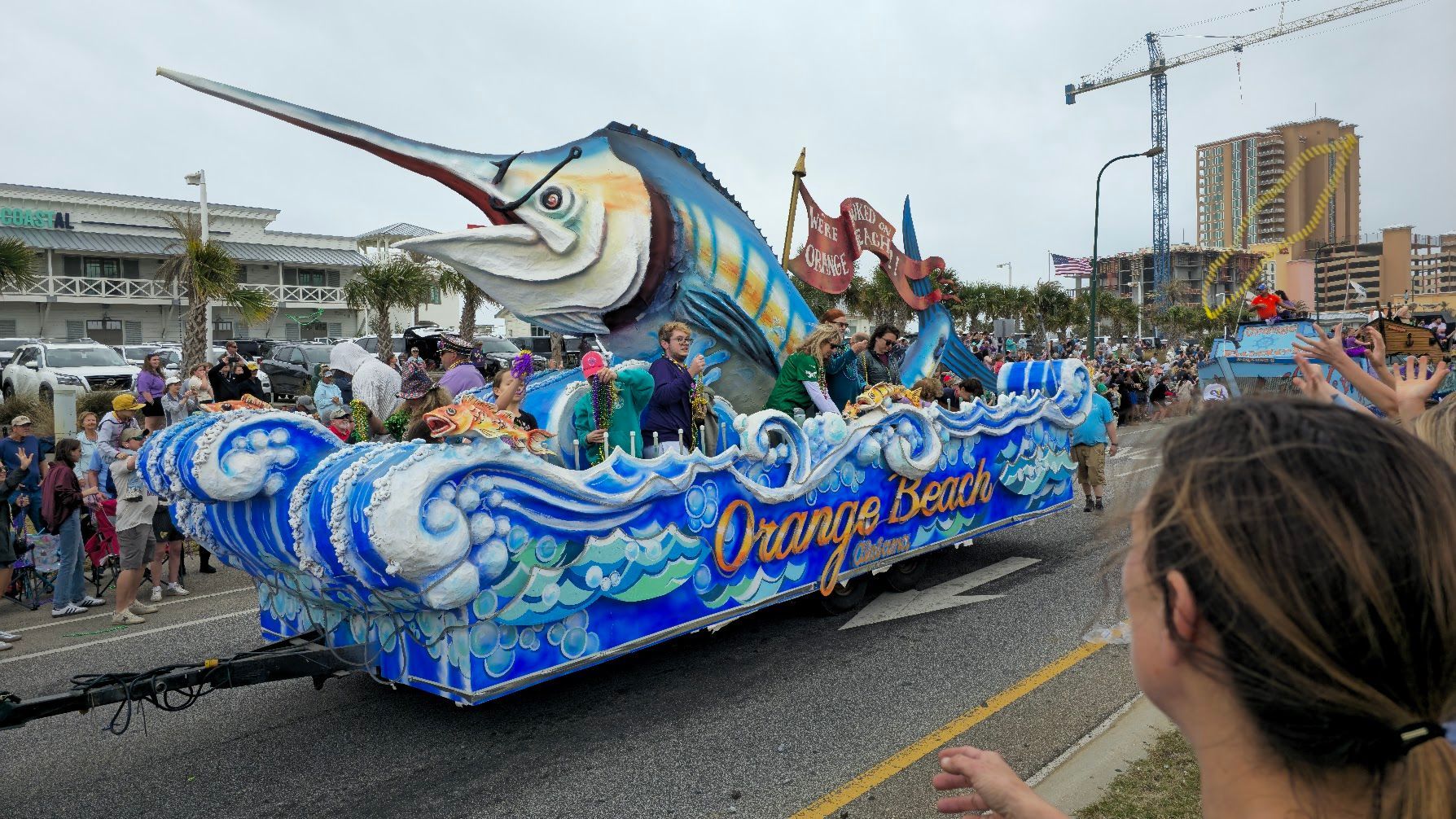
The 2026 Mardi Gras season officially begins tonight, January 6, marking the start of Carnival celebrations that culminate on Mardi Gras Day (Fat Tuesday), February 17, with parades and festivities leading up to that date. Mardi Gras Day always falls on the day before Ash Wednesday, which is 46 days before Easter; therefore, its date shifts each year according to the movable date of Easter in the Christian liturgical calendar.
Mobile, Alabama, holds a central place in the history of Mardi Gras in America. French colonists first observed the holiday there in 1703, several years before the founding of New Orleans in 1718. The first recorded Mardi Gras parade with floats in New Orleans was in 1857, organized by the Mistick Krewe of Comus; earlier informal processions by masked revelers are documented, with some sources pointing to 1837. The initial celebrations were rooted in Catholic tradition, marking the liturgical season preceding Lent.
In its early days, Mobile’s Mardi Gras was far from the noisy street party it is today. Historical accounts describe a simpler observance among soldiers and colonists. Over time, however, organized groups and planned displays began to shape the city's public culture around the event.
One tradition often cited in Mobile's history is the Boeuf Gras, or "fatted ox," which symbolized the feasting that preceded the Lenten fast. This theme later found its way into parade symbols and the names of social societies.
As the 18th century ended and the 19th began, Carnival life in Mobile became more formalized. Local societies developed an event style that blended public performances with exclusive, private gatherings. This structure—involving clubs, themes, and organized processions—established a blueprint that would influence other cities.
A key development occurred in the early 1830s when a group of men led by Michael Krafft staged a boisterous street procession. They carried cowbells and rakes, naming themselves the Cowbellion de Rakin Society. This group was instrumental in establishing street parading as a permanent tradition.
The parade culture continued to expand. By the 1830s in Mobile, “throws,” or small gifts tossed to the crowds, became a customary part of the festivities. What began as small tokens evolved into a signature feature of Gulf Coast Mardi Gras.
Mobile's historical timeline also shows the fluid nature of these traditions. For a period, some major parades were held on New Year's Day rather than on Fat Tuesday. The traditions continued to be shaped by local preferences, politics, and the accessibility of the clubs.
The Civil War temporarily halted celebrations throughout the region, including Mobile. After the war, Mobile’s Mardi Gras revival is often linked to local figure Joe Cain, who is remembered for helping restart public celebration during Reconstruction. According to tradition, Cain took to the streets on Mardi Gras in 1866 in costume, drawing attention and encouraging others to join in, a symbolic act that helped reawaken the city’s Carnival spirit. Once celebrations returned, parading resumed with new vigor. Eventually, Mobile’s events settled into the Carnival season that culminates on Mardi Gras Day.
Mobile’s influence is unmistakable in the history of New Orleans’ celebrations. When New Orleans’ first "krewe," the Mistick Krewe of Comus, formed in the 1850s, it established formal parades and balls as part of the city’s public life—a model that mirrored Mobile's long-standing, society-driven approach.
While New Orleans has become the most recognized name, Mobile remains fundamental to the U.S. Mardi Gras story. It pioneered the concept of organized Carnival societies, staged parades, and unique crowd traditions.
2026 Mardi Gras on Alabama’s Gulf Coast
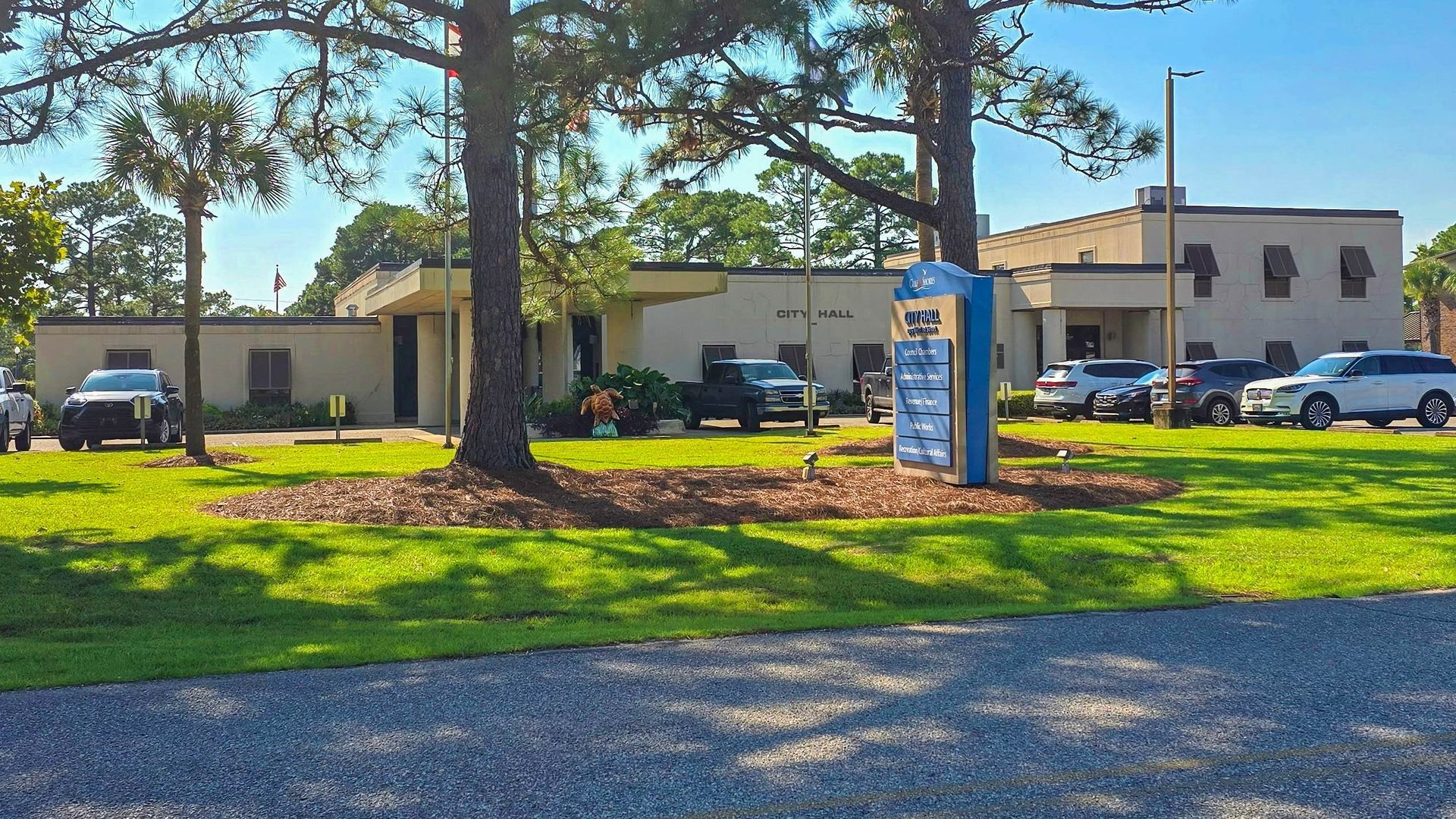
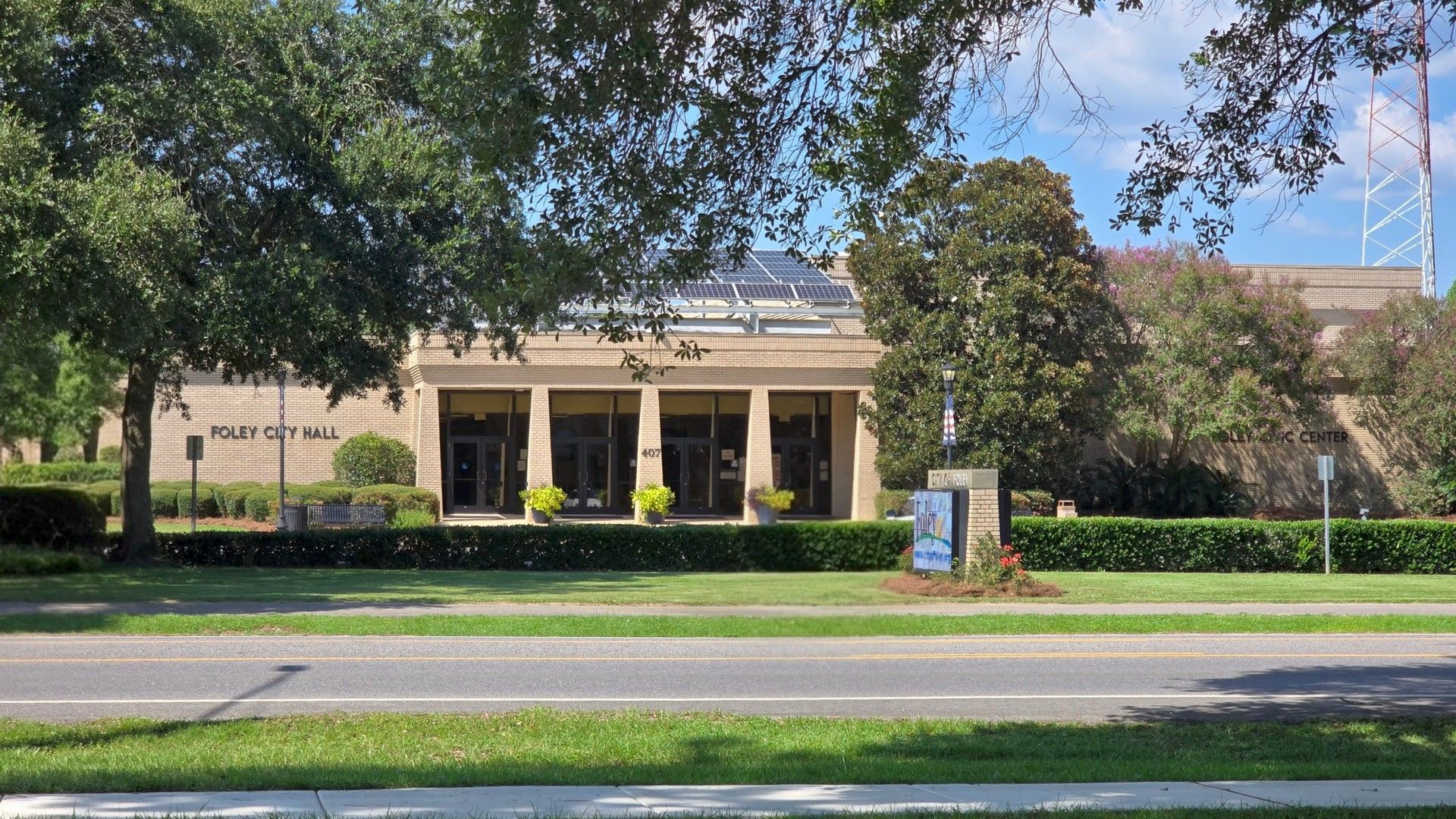
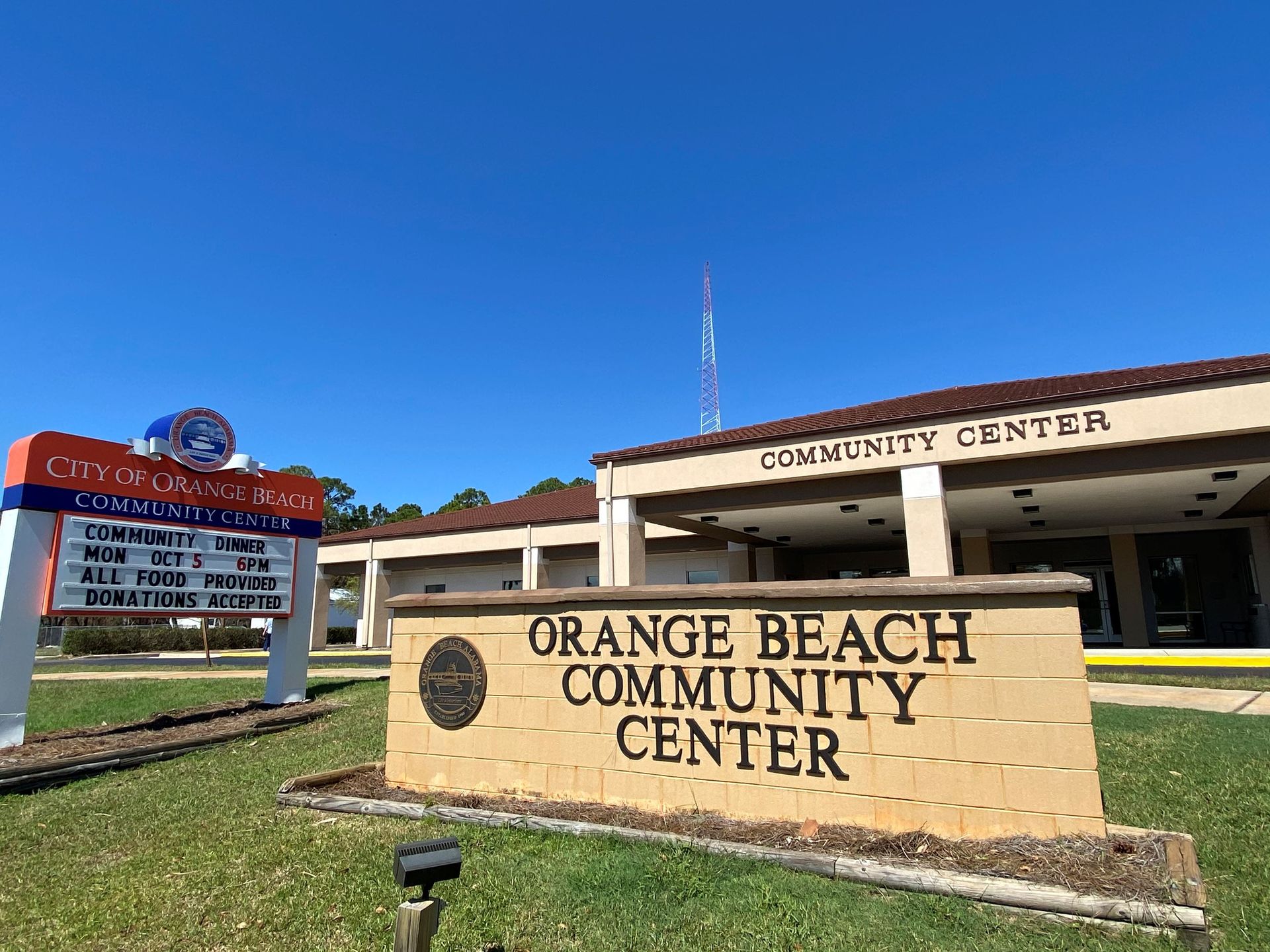
The Mardi Gras traditions that began in Mobile continue today across the Alabama Gulf Coast, including Foley, Gulf Shores, and Orange Beach. Below is the 2026 parade schedule for these coastal communities, aligned with Fat Tuesday on February 17, 2026.
Saturday, February 14, 2026
- Foley Mardi Gras Parade—11:00 a.m., downtown Foley, beginning near Alston Street and West Roosevelt Avenue and proceeding along the Main Street core.
- Orange Beach Marshals Parade—5:30 pm: The parade starts on Perdido Beach Boulevard and leads into the coastal night parades.
- Mystics of Pleasure Parade (Orange Beach) – Early evening on Perdido Beach Boulevard, following the Marshals and featuring illuminated floats and throws along the beachfront.
Monday, February 16, 2026 – Lundi Gras
- “Moon Pies on Main” at The Wharf (Orange Beach) – Family-friendly festivities at The Wharf with a kids and pet parade in the late afternoon, followed by a float parade along Main Street into the evening.
Tuesday, February 17, 2026—Fat Tuesday
- Gulf Shores Mardi Gras Parade—10:00 am, rolling from the intersection of Highway 59 and Beach Boulevard and proceeding along the beachfront.
- LuLu’s 27th Anniversary Fat Tuesday Mardi Gras Party and Boat Parade - Join the Best Mardi Gras Party on the Gulf Coast at LuLu’s Gulf Shores for our 27th BIRTHDAY on Mardi Gras Day! Lots of FUN planned starting at 10 am, Birthday Cake, Boat Parade, and More! In true LuLu’s fashion, there will be Mardi Gras themed Live Music by the Tip Tops beginning at 11 am to get the party started! Be sure to bring your appetite for Birthday Cake at NOON! Prizes for Best Dressed, so come dressed in your Mardi Gras best – Gold, Green, and Purple!
- Orange Beach Mardi Gras Parade – 2:00 p.m. along Perdido Beach Boulevard, featuring dozens of units and closing out the coastal parading on Mardi Gras Day.
Share this article w/ Friends...