Alabama Supreme Court Upholds $900,000 Verdict Against Orange Beach Walmart
Justices uphold damages after an underage buyer used a fake ID.
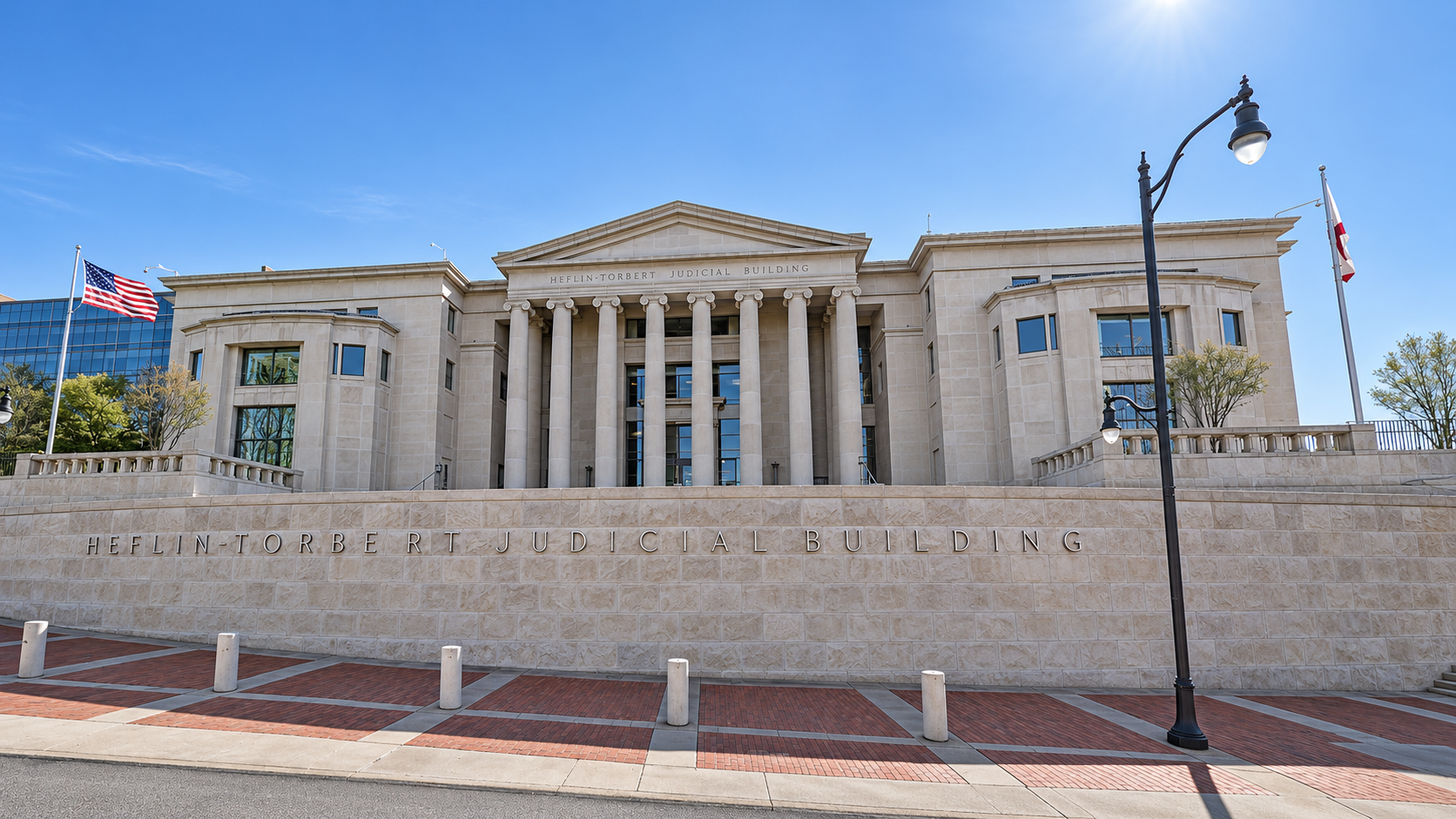
Orange Beach, Ala. — (OBA) — The Alabama Supreme Court upheld a $900,000 jury verdict against Walmart after a fatal traffic accident in Gulf Shores. The case involved alcohol purchased at the company's Orange Beach store. The buyer was underage and used a fake driver's license. The jury found Walmart liable.
The Supreme Court issued its decision on November 6, 2026, after a Baldwin County jury trial in August 2025. The case began with an alcohol purchase on March 15, 2022, and a fatal accident the next day.
The fatal sequence of events began on March 15, 2022, when Walters—a 20-year-old University of Alabama student on spring break—purchased champagne and a 12-pack of Truly Hard Seltzer at the Orange Beach Walmart. He used a self-checkout register and presented a fake Georgia driver's license to employee Secret Harris, who, according to surveillance video, examined the ID for less than five seconds.
The following afternoon, Walters drank at least four hard seltzers at a Gulf Shores beach house. Intoxicated, he got behind the wheel to drive to dinner.
Meanwhile, 80-year-old James E. Reed of Indiana was vacationing at Gulf State Park with his wife and 11-year-old grandson. After an evening bike ride, the family attempted to cross Highway 180 at East 16th Street. Reed's wife and grandson crossed safely, but as Reed followed on his mobility scooter, Walters struck and killed him. Investigators later recorded Walters' blood-alcohol concentration at 0.11—well above the 0.08 legal limit.
Reed's wife filed a lawsuit against Walters and Walmart. The claims against Walters were later dismissed after a settlement, leaving Walmart as the sole defendant.
The lawsuit proceeded under Alabama's Dram Shop Act, which permits certain lawsuits against businesses that illegally provide alcohol when the resulting intoxication causes injuries or death.
A Baldwin County jury awarded Reed's estate $900,000 in compensatory damages after a three-day trial. The jury awarded no punitive damages.
The Alabama Supreme Court rejected Walmart's appeal and affirmed the $900,000 verdict, issuing three key rulings.
First, the justices formally overruled the court’s 1934 decision in Webb v. French. For decades, Webb had been cited to argue that the Dram Shop Act allowed only lawsuits for injuries, not death. The new ruling clarified that the Act permits claims arising from a fatal accident. Second, the court affirmed that Estell, acting as the personal representative of her husband's estate, had standing to bring the lawsuit.
Finally, the court ruled that an alcohol retailer is not automatically shielded from liability merely because a clerk asks for and examines an ID. Because evidence showed the fake Georgia license had visible defects and was examined for less than five seconds, the justices determined that the trial court was correct to let a jury decide whether Walmart actually complied with the law.
Justice Will Sellers dissented from the ruling. He argued that Walmart had taken reasonable steps to prevent sales to minors and should not be held liable for failing to detect a convincing fake identification.
The case was decided under the version of Alabama's Dram Shop Act in effect at the time of the alcohol purchase. State lawmakers amended the law in 2023, adding language that addresses whether alcohol sellers knew or should have known they were making an illegal sale.
Those changes did not apply to this case because the incident occurred before the amendments took effect.
The ruling leaves the $900,000 judgment against Walmart intact and reinforces the importance of alcohol identification procedures. It also clarifies how Alabama's Dram Shop Act applied to fatal accidents involving illegal alcohol sales under the prior law.
Share this article w/ Friends...