National Coffee Day Puts a Spotlight on Local Coffee Culture
The holiday traces its roots to a centuries-old tradition of gathering over a cup
Orange Beach, Ala. — (OBA) — Coffee is one of the world's most popular beverages, and each year, Americans set aside a day to celebrate it. The drink traces its roots to 15th-century Yemen, where monks first roasted seeds and brewed the dark liquid. Today, the United States alone consumes an estimated 400 million cups of coffee every day. National Coffee Day highlights that tradition with deals, gatherings, and renewed appreciation for the brew.
National Coffee Day falls on Tuesday, September 29, 2026, and is observed annually on that date. It is not the same as International Coffee Day, which is a separate observance held on October 1 and organized by the International Coffee Organization. The two days fall just two days apart, giving coffee enthusiasts what amounts to an entire coffee-themed week.
Coffee houses in 17th-century England were known as "penny universities" because patrons paid a penny for a cup of coffee and for access to conversation. That tradition of gathering over coffee continues today.
For those along the Alabama Gulf Coast,
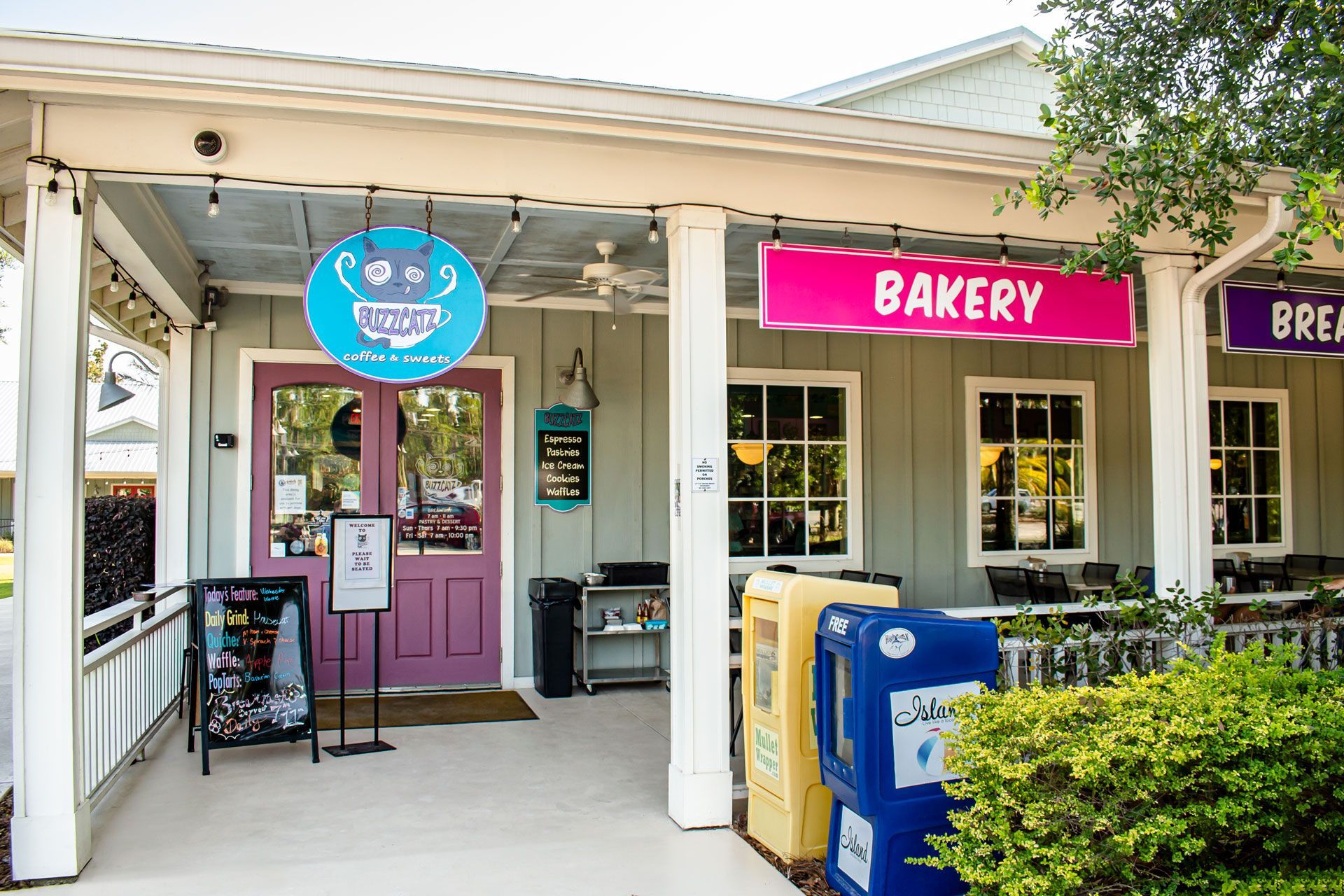
BuzzCatz Coffee & Sweets at 25689 Canal Road in Orange Beach offers a local alternative worth visiting. The shop serves locally roasted coffee, made-to-order breakfast, homemade pastries, and scratch-made sweets daily from 7 a.m. to 9:30 p.m. Sunday through Thursday, and until 10 p.m. on Fridays and Saturdays. BuzzCatz also runs a "Happy Meower" from 3 p.m. to 5 p.m. each day, offering $1 off specialty coffees.
Brazil leads the world in coffee production, followed by Vietnam and Colombia. More than 50 countries grow coffee, and each region produces beans with distinct flavor profiles. According to National Today, the average American drinks 3.1 cups of coffee per day, and roughly 66% of adults drink it daily.
The National Coffee Association is credited with promoting the first official National Coffee Day around 2005. Its original goal was not to offer deals and promotions but to raise awareness of the challenges facing coffee farmers worldwide, including fair wages and sustainable growing practices. Choosing ethically sourced, Fairtrade-certified beans remains one way consumers can support those growers year-round.
Share this article w/ Friends...